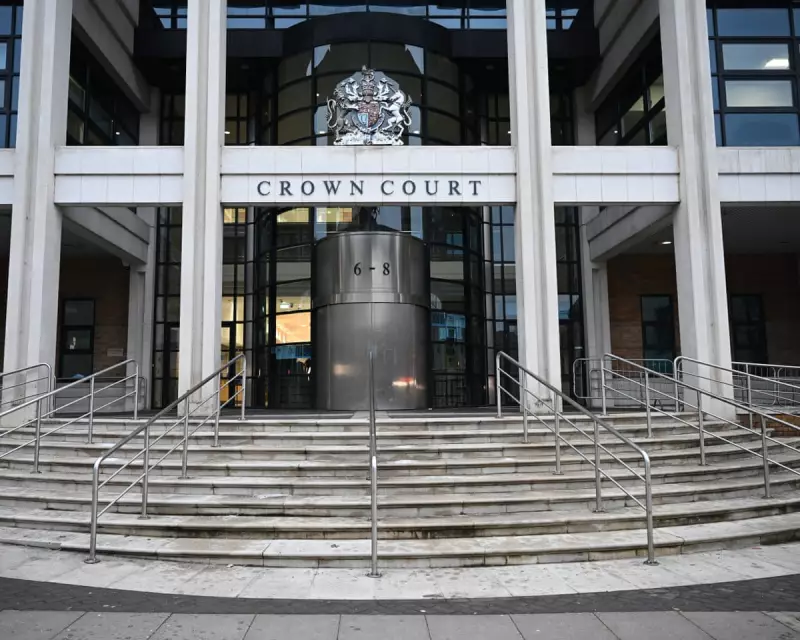
Judge-Only Trials in England and Wales Will Not Solve Crown Court Backlog, Report Finds
Plans to introduce judge-only criminal trials in England and Wales will produce only marginal time savings of less than 2% in crown courts, according to a new report from the Institute for Government. The findings cast significant doubt on the ability of these reforms to address the growing backlog of cases that has plagued the justice system.
Marginal Gains and Controversial Proposals
The report, authored by Cassia Rowland, states that while the proposed changes would slash the number of jury trials by approximately 50%, the overall reduction in courtroom time would likely be just 7 to 10%. Judge-only trials themselves would contribute only a fraction of this modest improvement.
Rowland emphasised that the government's proposed reforms to jury trials will not fix the fundamental problems in the crown court. She noted that the time savings from judge-only trials would be marginal at best, amounting to less than 2% of total crown court time.

Alternative Approaches and Productivity Concerns
The report suggests that hearing more trials in magistrates' courts represents a stronger proposal that could potentially save more time. However, the government has yet to provide specific details on how this would be implemented, and the estimates remain highly uncertain.
According to the IFG analysis, improving productivity across the criminal courts would have a more substantial impact. The crown court is currently hearing almost 20% fewer hours per sitting day in 2025/26 compared to 2016/17 levels. If the crown court had maintained its 2016 productivity levels through 2024, the case backlog would have decreased by several thousand cases instead of growing by nearly 8,000.
Legal Profession Backlash and Public Confidence
The proposals have already faced significant opposition from the legal profession, along with dozens of Labour MPs and peers. The report warns that judge-only trials are likely to be highly controversial and could damage public confidence in the criminal justice system.
Mark Evans, President of the Law Society of England and Wales, stated that if the government is serious about tackling court backlogs, it must focus on investments and reforms that will make the most substantial difference.
Government Response and Diverging Assessments
A Ministry of Justice spokesperson disputed the report's numbers, pointing to Sir Brian Leveson's independent review which concluded that reform could conservatively reduce case times by at least 20%. The spokesperson also referenced Canadian judges who reported case time reductions of up to half in practice.
The government maintains that only a combination of bold reforms, record investment, and action to address systemic inefficiencies will deliver the swift justice that victims deserve. However, the IFG report suggests that without addressing fundamental productivity issues, even significant structural changes may prove insufficient to clear the growing backlog of cases awaiting trial in England and Wales.