The Ghost of Iraq Haunts Westminster's Iran Debate
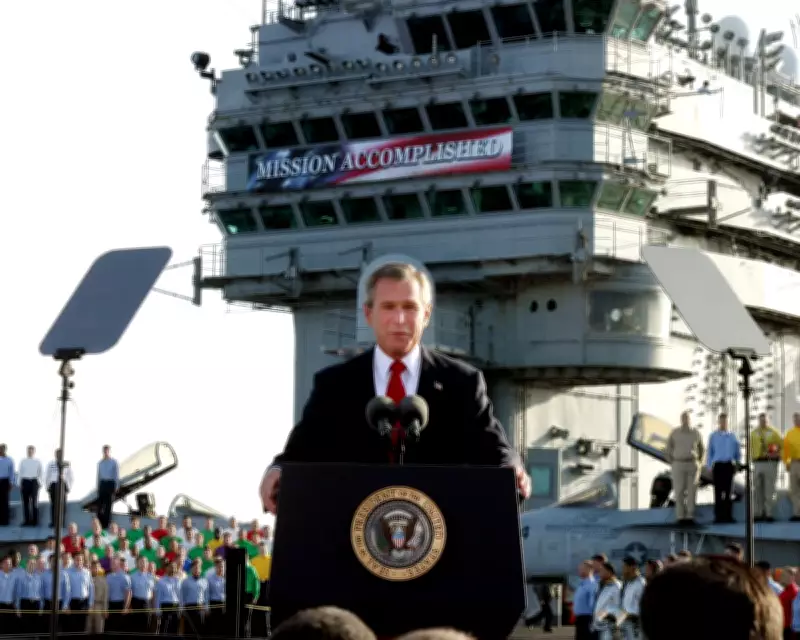
As British Members of Parliament gather to deliberate on the possibility of a coordinated US-Israeli military strike against Iran, a palpable shadow from the past hangs heavily over the corridors of power. The contentious and deeply divisive legacy of the 2003 Iraq War has resurfaced, casting a long and cautionary silhouette over current discussions regarding potential UK involvement in another Middle Eastern conflict.
Historical Parallels and Parliamentary Scrutiny
The debate is fraught with historical parallels that are impossible for MPs to ignore. Key concerns center on the reliability of intelligence assessments regarding Iran's nuclear capabilities and intentions. Many parliamentarians are drawing direct comparisons to the flawed and exaggerated intelligence that was used to justify the invasion of Iraq over two decades ago.
This has ignited a fierce demand for rigorous, evidence-based scrutiny before any commitment is made. The question of parliamentary approval for military action is also at the forefront, with many MPs insisting on a substantive vote, recalling the controversial circumstances under which the UK entered the Iraq War.

Legal and Diplomatic Implications
Beyond intelligence, the legal justification for any pre-emptive strike is under intense examination. Legal experts and MPs are debating whether such an action would constitute a violation of international law without a clear United Nations mandate or evidence of an imminent threat. The diplomatic fallout is also a major consideration, with fears that UK involvement could severely damage relations with other global powers and destabilize the region further.
The memory of Iraq serves as a powerful reminder of the long-term consequences of military intervention, including protracted conflict, regional instability, and significant loss of life.
A Divided Political Landscape
The issue has exposed deep divisions within and between political parties. Some MPs argue that a firm stance is necessary to prevent a nuclear-armed Iran, potentially aligning with US and Israeli strategic interests. Others urge extreme caution, advocating for a renewed focus on diplomatic channels and the existing Joint Comprehensive Plan of Action (JCPOA), citing the catastrophic miscalculations of the Iraq conflict.
The debate transcends traditional party lines, creating unusual alliances and highlighting the profound and enduring impact of the Iraq War on British foreign policy thinking. As MPs weigh their decision, the lessons of history are not merely academic; they are a living, breathing influence on one of the most significant security debates of the current parliamentary session.