Foreign Office Security Chief Ian Collard Under Intense Scrutiny in Mandelson Vetting Scandal
Ian Collard, a senior Foreign Office security official, has emerged as a central and potentially pivotal figure in the escalating scandal surrounding Peter Mandelson's security clearance for the role of British ambassador to Washington. Despite his name being mentioned only twice during recent parliamentary hearings, Collard's brief meeting with Olly Robbins on January 29, 2025, appears to have been decisive in overturning a negative vetting assessment.
The Critical Ten-Minute Meeting
According to evidence presented by Olly Robbins to the foreign affairs committee, Collard requested an urgent meeting that lasted approximately ten minutes. During this conversation, Collard reportedly informed Robbins that UK Security Vetting (UKSV) officials had interviewed Mandelson twice and considered him a "borderline" case, leaning toward recommending denial of clearance. This account, however, directly contradicts internal documents obtained by the Guardian, which show UKSV had definitively marked Mandelson's file with two red boxes indicating "high concern" and "clearance denied."
The discrepancy between Collard's reported briefing and the actual UKSV assessment has prompted the foreign affairs committee to summon Collard for questioning. MPs are particularly focused on the 24-hour period between UKSV's formal decision on January 28 and Collard's meeting with Robbins on January 29, seeking to establish a precise timeline of events and communications.

Collard's Extensive Diplomatic Background
Ian Collard brings substantial experience to his current role as head of the estates, security and network directorate at the Foreign Office. A Cambridge graduate with first-class honors in anthropology and a doctorate in evolutionary studies, Collard joined the diplomatic service in 2002. His career has included postings in Washington and New York, leadership of the North America department, and significant security roles during the 2012 London Olympics.
Collard's diplomatic postings have included ambassadorships in Panama, Afghanistan, and Lebanon before returning to Whitehall in 2023 as the Foreign Office's chief property and security officer. Robbins described Collard as "one of the most important figures" in helping him learn to run the department, noting that Collard was regularly in and out of his private office.
Unanswered Questions and Parliamentary Investigation
MPs investigating the matter are expected to press Collard on several critical questions during his upcoming committee appearance. Key areas of inquiry include:
- Whether Collard actually viewed the UKSV vetting file with its two red boxes marked
- The specific content of his discussions with UKSV officials about Mandelson's case
- What documentation exists regarding these conversations
- How often Collard has recommended clearance despite double-red UKSV recommendations
- Whether he felt pressure from Downing Street to secure Mandelson's clearance
Robbins has acknowledged that the Foreign Office faced "pressure" from Downing Street to expedite Mandelson's appointment to Washington. This raises questions about whether Collard experienced similar pressure and from whom specifically. Former officials familiar with security processes across Whitehall suggest that Collard may not have seen the full detailed reasoning behind UKSV's recommendation, potentially explaining the discrepancy in his briefing to Robbins.
Previous Committee Experience and Current Challenges
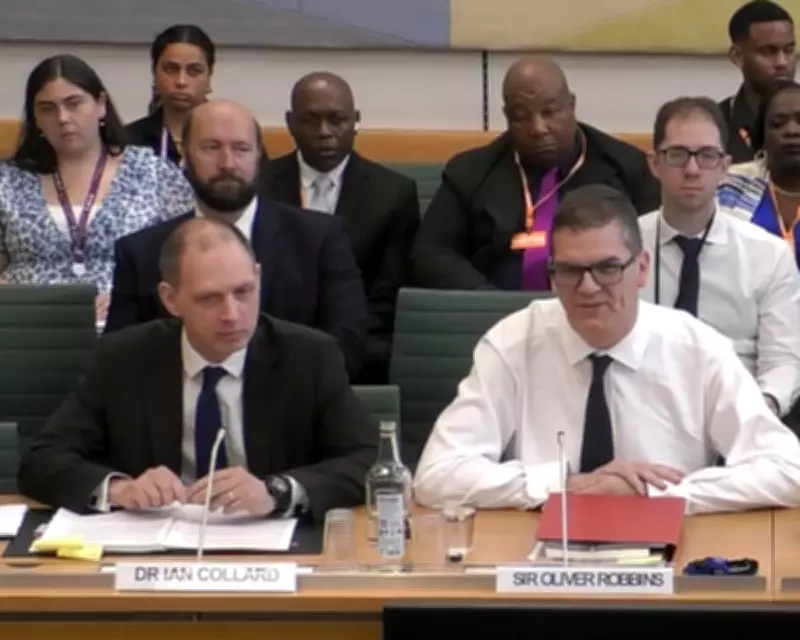
This will not be Collard's first appearance before a parliamentary select committee. He previously gave evidence to the public accounts committee alongside Robbins, answering questions about the Foreign Office's global estate management. However, the current inquiry represents a far more sensitive examination of decision-making processes within the department's King Charles Street headquarters.

As the investigation continues, MPs are determined to establish whether proper procedures were followed in Mandelson's security clearance process and whether political considerations improperly influenced what should have been an independent security assessment. The outcome could have significant implications for vetting processes across Whitehall and public confidence in diplomatic appointments.