
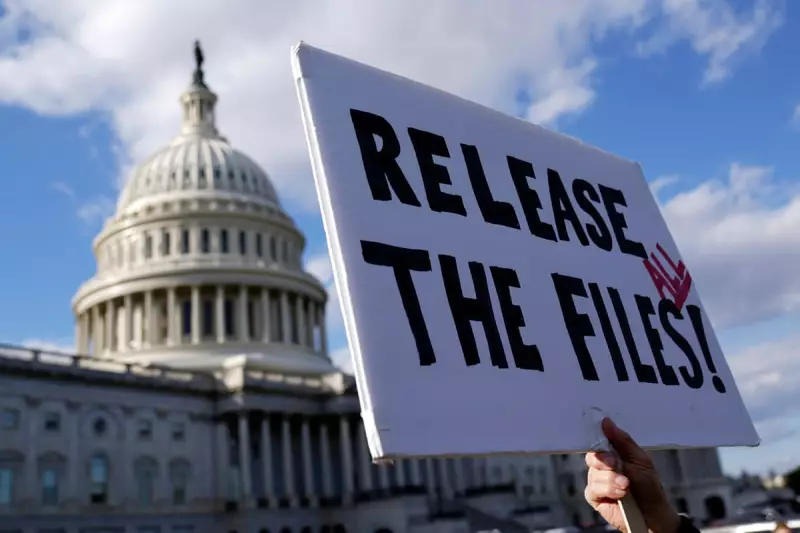
The political landscape in Washington DC witnessed a significant development as the House of Representatives prepared to vote on the controversial Epstein Files Transparency Act. This legislation, if enacted, would compel the justice department to disclose all unclassified materials concerning the disgraced financier and convicted sex trafficker Jeffrey Epstein.
The Political Turning Point
After months of deliberate delays and political manoeuvring, the House finally scheduled the crucial vote for Tuesday, 12th November 2025. The vote gained unexpected momentum when former President Donald Trump performed a dramatic volte-face on Sunday, reversing his previous position and calling for full disclosure of the Epstein documents.
Trump declared "we have nothing to hide" while characterising the controversy surrounding the files as a "Democrat hoax." This surprising shift followed intense White House efforts to persuade Republican representatives Lauren Boebert and Nancy Mace to withdraw their support from a discharge petition that forced House Speaker Mike Johnson to schedule the floor vote.
The Legislative Pathway Forward
Despite the anticipated overwhelming support in the House, the bill faces significant hurdles before the public can access the controversial files. The legislation must next proceed to the Senate, where Republican Majority Leader John Thune has not committed to holding a vote.
Republican Majority Whip John Barrasso promised to "take a look" at the bill if it passes the House but offered no guarantees. Partisan politics may yet intervene, despite polls indicating overwhelming public support for releasing the Epstein files.
Barrasso expressed scepticism about Democratic motives during an appearance on NBC's Meet The Press, suggesting they were more interested in turning Trump into "a lame duck president" than achieving genuine "accountability and transparency."
Potential Presidential Obstacles
Even if the Senate approves the legislation, President Trump retains the power to veto the bill, despite his Monday pledge to sign it if it reaches his desk. A presidential veto would require both chambers to override it with two-thirds majorities – a significant but potentially achievable barrier given the intense public interest in the Epstein case.
Further complicating matters, Trump recently instructed Attorney General Pam Bondi to investigate prominent figures mentioned in last week's trove of Epstein emails released by the House oversight committee. The investigation targets former President Bill Clinton, former Treasury Secretary Larry Summers, venture capitalist Reid Hoffman, and JPMorgan Chase.
This move has raised concerns that any version of the files released could be incomplete or selective, as the justice department could argue that releasing certain documents would prejudice ongoing investigations.
The unfolding drama continues to capture national attention, with protesters gathering outside the Capitol demanding transparency while political leaders navigate the complex implications of revealing one of the most controversial document collections in recent American history.




