
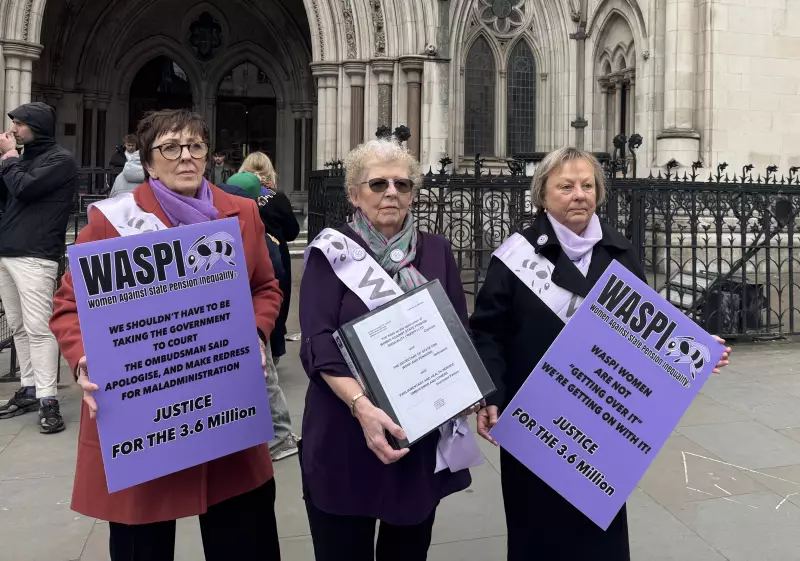
In a significant development, the government has announced it will retake its decision not to award compensation to millions of women affected by changes to the state pension age. The move comes after new evidence from 2007 came to light during ongoing legal proceedings.
Minister Announces U-Turn in Commons
Work and Pensions Secretary Pat McFadden told the House of Commons on Tuesday that the government will withdraw from a judicial review brought by the Women Against State Pension Inequality (Waspi) campaign. This legal challenge was due to begin next month.
McFadden confirmed that the decision made in December of last year will be formally reconsidered. He stated that the newly uncovered evidence, specifically research findings from a 2007 DWP report, had not been shown to his predecessor, Liz Kendall. McFadden asserted that had Kendall seen the document, she would have “considered it alongside all other relevant evidence and material.”
A Decade-Long Fight for Justice
The Waspi campaign argues that 3.6 million women born in the 1950s were not given adequate warning about the rise in their state pension age. The changes, which began with the 1995 Pensions Act and were accelerated by the coalition government in 2011, aimed to equalise the state pension age for men and women, raising it from 60 to 66.
This lack of notice, campaigners say, left many women financially unprepared for retirement. The fight for compensation has been ongoing for years, with the tragic footnote that an estimated 300,000 affected women have died since calls for redress began in 2015.
In a major blow to the campaigners, the previous government, under Liz Kendall, opted to rule out compensation. This was despite a March 2024 report from the Parliamentary Health Service Ombudsman which recommended payments of up to £2,950 per woman. The total cost of such a package was estimated at a potential £10.5bn to the public finances.
What Happens Next?
While this review marks a pivotal moment for the Waspi campaign, Pat McFadden was quick to temper expectations. He stressed that the government’s reconsideration should not be taken as an indication that it will ultimately decide to award financial redress.
Reacting to the news, Angela Madden, chair of the Waspi campaign, said: “For 10 years we have been fighting for compensation. The Government has fought us tooth and nail every step of the way. The only correct thing to do is to immediately compensate the 3.6 million WASPI women who have already waited too long for justice.”
The government will now examine the 2007 evidence as it prepares to retake one of the most contentious financial decisions affecting a generation of women.




