
No 10's New Media Strategy: Influencers Take Front Row Seats
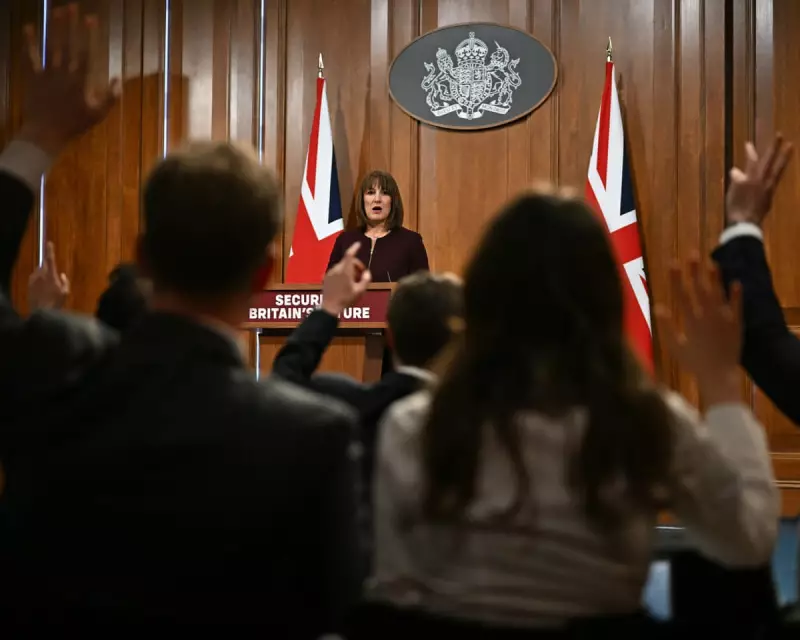
The UK government has embarked on a controversial new communication strategy that sees social media influencers given privileged access to ministers and press conferences. In a significant shift from traditional media relations, personal finance influencers were recently allocated front-row seats at Chancellor Rachel Reeves's press conference warning about forthcoming tax rises.
This approach forms part of a coordinated effort to reach voters directly through social media platforms, where more than half of British people now consume news. Ministers including Prime Minister Keir Starmer are making regular appearances on popular channels, bypassing established media outlets to communicate their messages.
The Influencer Access Programme
The science communicator Simon Clark recently broadcast his FaceTime call with Starmer during the Cop30 climate summit in Brazil to his 73,000 followers. Meanwhile, campaigner Anna Whitehouse, known online as Mother Pukka, shared clips of her conversation with Education Secretary Bridget Phillipson about childcare system failures with her 444,000 followers in July.
The strategy is being coordinated by Caitlin Roper, Starmer's director of digital communications, and the New Media Unit she leads within the Cabinet Office. This unit employs approximately 20 people dedicated to developing the government's influencer relations programme.
Earlier this year, government departments identified top influencers in their respective fields and invited them to a "creators' breakfast" at Downing Street. This was followed by a summer reception for about 80 influencers who collectively boast a quarter of a billion followers.
Mixed Reactions and Growing Pains
Critics argue that using influencers represents an attempt to avoid rigorous scrutiny of controversial policies. Traditional lobby journalists, who operate under a 150-year-old system granting access to government briefings, express scepticism about the value of content creators questioning politicians.
One lobby journalist commented: "Influencers will soon learn that the fluff ministers hope to disseminate through their channels contains little of interest or use to their followers. Real reporters understand that what politicians refuse to tell us is often more revealing."
Even the influencers themselves acknowledge challenges with the new approach. Cameron Smith, who attended Rachel Reeves's press conference, noted that politicians need to learn to engage differently with content creators. "I've definitely tried to make clear that they shouldn't treat us like journalists," Smith said, observing that politicians often become guarded and formal when questioned.
The Backlash Reality
Influencers collaborating with the government face significant online backlash from audiences suspicious of their motives. Smith reported receiving mixed reactions, with some followers viewing his access as forward-thinking while others perceive him as becoming a government mouthpiece.
Jim Waterson, former Guardian media correspondent now running London Centric, highlighted the dilemma: "I was talking to someone this week who runs an Instagram account that reaches tens of millions of young people – and he said he went out of his way to avoid any news and turns down requests from politicians, because his audience would react negatively."
Labour MP Gordon McKee, who employs a digital content creator for his own social media output, emphasised the need for different approaches: "It would be a mistake to treat social media the way you treat an evening news bulletin. You're competing with videos of cats, not whatever's on BBC Two."
A government source confirmed that working with content creators had become "part and parcel" of government communications over the past year, with plans to significantly scale up these efforts. The presence of creators at Rachel Reeves's press conference marked a first that the government hopes will become standard practice rather than exceptional.




