
In a significant development for one of Britain's longest-running pension justice campaigns, the government has been forced to reconsider its decision to deny compensation to millions of women affected by state pension age changes.
Legal Pressure Forces Government U-turn
The dramatic shift in position comes just weeks before a potentially damaging High Court legal challenge was due to begin. Pat McFadden, the current Work and Pensions Secretary, told the Commons that ministers would 'retake' the decision to deny compensation to women born in the 1950s.
This follows December's controversial announcement by the government, led by Chancellor Rachel Reeves, which rejected compensation payments that could have cost up to £10.5 billion. The government had previously argued that improving public services represented a higher priority than making payouts to the affected women.
Who Are the Waspi Women?
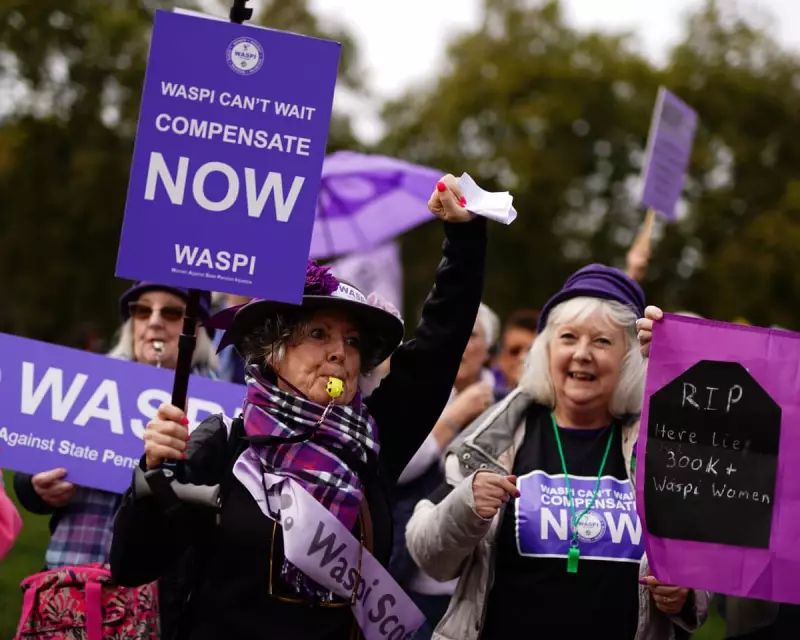
The Women Against State Pension Inequality (Waspi) campaign represents approximately 3.6 million women born in the 1950s and early 1960s who claim their retirement plans were 'plunged into chaos' by government failings.
Many of these women expected to receive their state pension at age 60, only to discover that changes introduced by the Department for Work and Pensions had increased their state pension age to 65, and subsequently to 66. The Parliamentary and Health Service Ombudsman found the DWP guilty of maladministration in its handling of these changes.
Campaigners argue that inadequate communication about the changes left thousands of women with insufficient time to prepare financially, with many reporting significant financial hardship as a result.
What Happens Next?
While the government's reconsideration offers fresh hope to campaigners, ministers have been quick to temper expectations. McFadden explicitly stated that 'retaking this decision should not be taken as an indication that government will necessarily decide that it should award financial redress.'
The timing coincides with recent protests by Waspi campaigners on College Green in Westminster, London, maintaining pressure on the government ahead of the scheduled legal proceedings.
Angela Madden, chair of Waspi, described the announcement as 'a major step forward' while confirming the campaign is seeking legal advice about the implications for their judicial review.
The outcome of this reconsideration could have profound implications for both the affected women and government finances, with the PHSO having recommended compensation payments of between £1,000 and £2,950 per woman.




