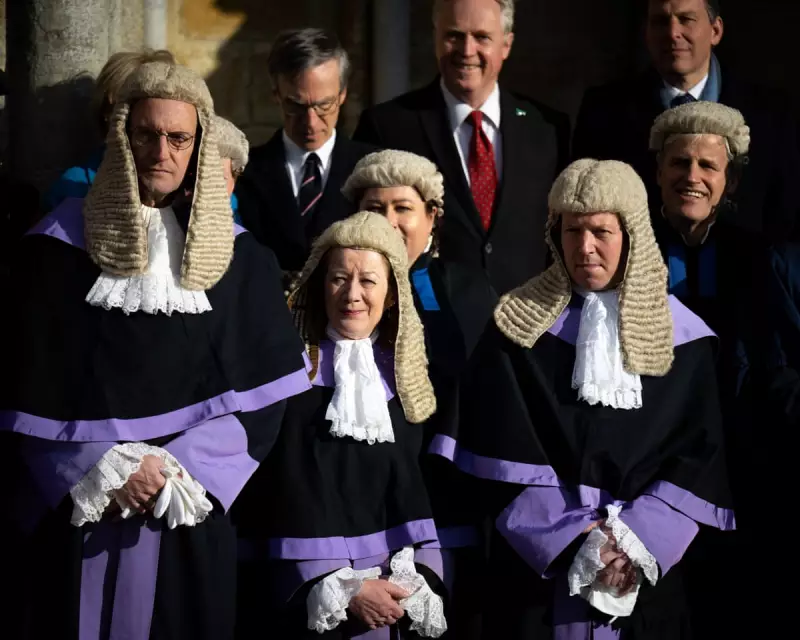
Radical Overhaul Proposed for UK Justice System
The government is pressing ahead with controversial plans to remove the right to trial by jury for thousands of cases across England and Wales. This dramatic shift comes in response to what former judge Sir Brian Leveson describes as a crisis threatening total system collapse within the courts.
The Backlog Crisis
Court backlogs have reached record levels, creating severe delays that undermine justice. Victims and witnesses are increasingly withdrawing from trials after waiting years for their cases to be heard, while defendants face charges hanging over them for extended periods. The remand population in jails has hit a record high, with some individuals ultimately being acquitted after lengthy pre-trial detention.
Sir Brian Leveson, who authored the proposals in July, emphasised he was acting with a heavy heart to prevent what he warned could become a complete breakdown in law and order. His report featured quotes from sources including Martin Luther King, William Gladstone, Magna Carta and the Talmud, all echoing the principle that justice delayed is justice denied.
Key Proposals and Their Impact
The proposed reforms include several significant changes to the current system:
- Creating a new division of the crown court where a judge and two magistrates would hear either way offences
- Removing the right to crown court trial for offences carrying maximum sentences of two years or less
- Reclassifying certain either-way offences to be heard only in magistrates' courts
- Having serious fraud cases heard by a judge alone, reflecting concerns about juror comprehension
- Allowing all crown court defendants to elect for trial by judge alone
- Removing jury trials for specific offences including sexual assault, harassment and child abduction
Leveson estimates these changes would save approximately 9,000 sitting days from the current crown court total of 110,000. However, he cautioned that even with full implementation, clearing the existing backlog could take more than five years.
Controversy and Opposition
The right to trial by jury is widely regarded as a cornerstone of the British justice system, with roots tracing back to Magna Carta in 1215. The proposals have faced strong opposition from legal professionals, with a survey of Criminal Bar Association members showing overwhelming rejection.
88.5% opposed the creation of the new crown court bench division, while 78.2% opposed removing juries from fraud trials. The Bar Council and Law Society argue that increased funding for the justice system, rather than reducing fundamental rights, should be the government's priority.
Concerns have also been raised that reducing jury trials could disadvantage ethnic minorities and other vulnerable groups, given the lack of diversity within the judiciary. Leveson has denied these reforms would lead to increased miscarriages of justice.
When questioned about whether these measures could be reversed once backlogs are cleared, Leveson acknowledged it would be difficult to predict timelines but suggested that if successful, there would be real pressure to go backwards.