As the Gorton and Denton byelection approaches, a palpable sense of fury and disconnection permeates the constituency, casting a shadow over Labour's prospects and highlighting broader political tensions in British society. The upcoming vote, scheduled in just over three weeks, could have profound implications for both the Labour party and the national political landscape, with voters expressing deep-seated resentment that threatens to reshape electoral dynamics.
A Journey Through Discontent: The No 201 Bus Route
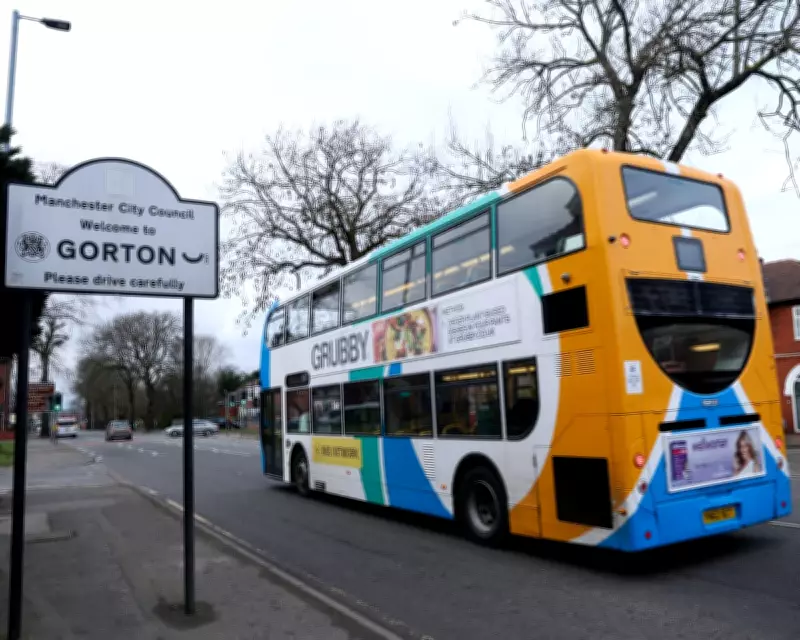
The route of the No 201 bus offers a stark visual metaphor for the political divide within the constituency. Beginning in the regenerated heart of central Manchester, with its gleaming skyscrapers and modern hotels, the journey quickly transitions to Gorton within just ten minutes. Here, at the outer edge of the constituency, millions of pounds are being invested in regeneration projects promising new housing and revitalised high streets. Yet, beneath this surface of renewal, a different story unfolds in the covered market soon to become a "food and drink cluster."
When engaging with local residents about the looming vote, expressions of fierce resentment dominate conversations. This sentiment crystallises one of the year's significant political themes: a long-festering sense of disconnection and anger reaching new extremes, exacerbated by a government perceived as powerless to address fundamental issues. The story of Andrew Gwynne's downfall due to WhatsApp messages receives occasional mention, but animated discussions quickly turn to more pressing concerns.

The Issues Fuelling Voter Anger
Residents speak most passionately about grimly familiar subjects that dominate national discourse yet feel acutely personal locally. Grooming gangs, small boats crossing the Channel, sky-high private rents, and the impossible cost of living emerge as recurrent themes. One woman articulates this frustration with bracing anger, revealing: "My mum's got stage four terminal cancer and she can't afford to put her heating on."
Every ten minutes, conversations return to that dependable modern mantra: "I really don't like Keir Starmer." While few can specify exact reasons beyond one man's claim that "he hasn't done what he said he'd do," this vague dissatisfaction seems to fuel people's loathing all the more. The Labour leader's most damaging shortcoming appears to be his failure to define himself clearly, leaving voters uncertain about his identity and convictions.
Denton: Red Wall Territory and Immigration Concerns
Twenty minutes further along the same bus route lies Denton, where demographic statistics reveal a population that is 83% white and 86% UK-born. This area feels distinctly "red wall"-ish, representing a corner of the old Lancashire coalfield where family businesses cling on precariously and local economic hopes focus on an upcoming food hall opening in weeks.
Here, two women in their early thirties embody the constituency's frustrations. Mary works full-time in retail yet still lives with her parents, describing her situation with biting frustration. Her friend Lexi, a mother of two, balances three different jobs as a care support worker, dinner lady, and cleaner, barely holding everything together. Their primary concern, however, centres on immigration.
When presented with the argument that essential services rely on foreign workers, both agree that legal immigrants are "absolutely fine." Their objections focus on "the people on the streets, and the ones coming in on boats." They share a somewhat strange belief that central Manchester has become too dangerous to visit, and while expressing appreciation for Nigel Farage and his party, insist they remain undecided about their vote. One certainty emerges clearly: "It won't be Labour," declares Lexi.
Reform UK's Appeal and Labour's Strategic Challenges
This environment creates a ready market for Reform UK's straightforward pledges: "Stop illegal immigration," "Put the British people first," and "End lawlessness on our streets." The party's candidate, Matt Goodwin, represents the most extreme Reform candidate yet, transitioning from academic analyst of the new right to one of its prime movers. For Labour, Reform's menacing presence constitutes only half the byelection headache.

The party's other worries centre on the southern part of the constituency towards Stockport, encompassing Levenshulme and Longsight. This area hosts a mixture of Muslim voters potentially shifting from Labour to support a pro-Gaza candidate, alongside substantial numbers of students and young professionals being aggressively targeted by the newly insurgent Green party. Both halves of the constituency highlight the painful vacuum created by Labour's decision to bar Andy Burnham from standing.
The Leadership Vacuum and Alternative Narratives
Had Burnham been permitted to stand, despite risks associated with resigning as Greater Manchester mayor, Labour's campaign might have centred on his personal record, his diagnosis of Britain's modern challenges—"deindustrialisation, privatisation, austerity and Brexit"—and a contrasting sense of optimism. Instead, stranded without a compelling narrative, Labour finds itself defending its problematic handling of its first nineteen months in power and a leader whom few seem to like.
In Levenshulme, Max, a loquacious 27-year-old volunteering for asylum and refugee charities, articulates this leadership deficit. He suggests Starmer needs to "self-reflect: 'What do I believe? What do I want?'" Comparing the Labour leader to Farage, Max observes: "He seems to have a vision. Starmer doesn't. And you can't combat Reform if you haven't got that. They've got better stories ... I think they're toxic stories, but they're better at telling them." He then brightens, adding: "But the Greens have got a good story as well."
Community Concerns and Political Division
Five minutes' drive away in Longsight, after Friday prayers at a compact mosque tucked behind a residential street, mostly middle-aged men express bafflement about Burnham's exclusion and worry about Reform's potential victory should the left vote split. When presented with one of the party's leaflets, reactions prove instant and unsettling. One man responds: "It upsets me. It's not healthy. It's dividing us."
Labour may yet hold the seat through its formidable get-out-the-vote machine and droves of activists. As evidenced by Starmer's somewhat stilted claim that the contest reduces to "true patriotism against the plastic patriotism of Reform," the party might manage what eluded it in last year's Caerphilly byelection: successfully positioning itself as the tactical choice to defeat Farage and Goodwin. However, even a Labour victory would barely shift the deeper currents running through the constituency and across the country.
The Underlying Currents: Anger and Political Disorientation
What truly defines this political moment is the profound anger, disconnection, and bewilderment with a party and government perceived as floundering and disoriented. This reality should concern Labour's leadership profoundly. Thus far, every relaunch and policy U-turn has either left these aspects of public mood untouched or raised them to new intensity.
Following the Gorton and Denton byelection, these sentiments will likely define May's elections in Wales and Scotland, alongside council elections across England that Labour hasn't managed to postpone. Wandering through Longsight's open-air market reveals a Green party leaflet featuring one of its best campaign lines, seemingly written as a knowing challenge to Starmer and his team: "Make hope normal again."
The fundamental questions haunting Labour remain unanswered: Can the party genuinely restore hope among disillusioned voters? If not, how can it possibly arrest its political decline? As the byelection approaches, these questions resonate far beyond Gorton and Denton, speaking to broader crises of political representation and public trust in contemporary Britain.