The upcoming by-election in Gorton and Denton, scheduled for February 26, 2026, is poised to become one of the most tumultuous political contests in recent memory. Triggered by the resignation of Labour MP Andrew Gwynne due to ill health, this race has quickly escalated into a four-way battle, with each major party positioning itself as the primary bulwark against its rivals. The stakes are high, not just for the constituency but as a barometer for the broader state of British politics, which is increasingly characterised by fragmentation and volatility.
A New Constituency with Old Challenges
Gorton and Denton presents a unique challenge for analysts and campaigners alike, as it is a newly formed constituency resulting from boundary changes ahead of the 2024 general election. This means there is only one previous election to draw upon, leaving a thin evidence base for predicting voter behaviour. Traditional methods of analysing swings or long-term voting patterns are of limited utility, forcing parties to rely more on national trends and anecdotal insights rather than robust local data.
The Rise of Minority Parties
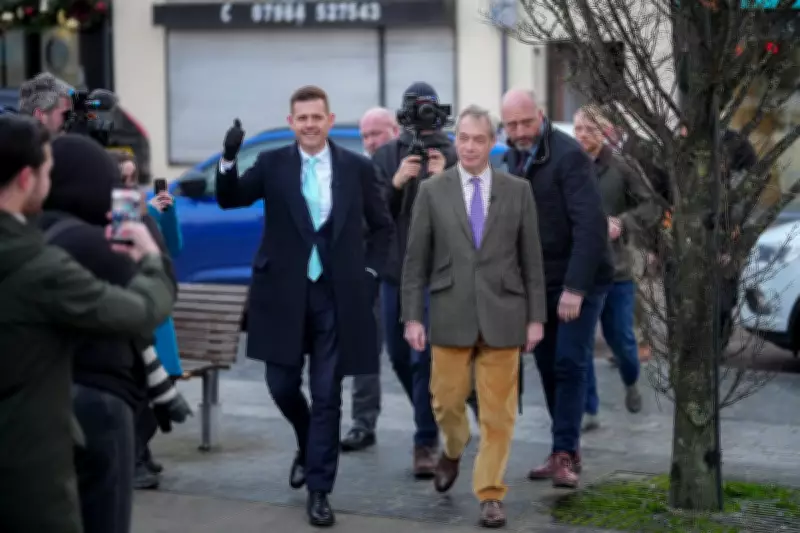
Since the general election 18 months ago, the political landscape has become more fragmented, with both the Greens and Reform UK more than doubling their national polling numbers. In Gorton and Denton, these parties sense a significant opportunity, particularly after Labour's ruling body blocked Greater Manchester Mayor Andy Burnham from standing, a move that has angered many voters and potentially opened the door for minority parties to gain ground. Reform UK has capitalised on this by fielding GB News presenter Matt Goodwin as their candidate, adding to the competitive fervour.

Demographic Complexity and Voter Confusion
The constituency's diverse demographics add another layer of complexity to the race. It encompasses distinct voter blocs, including a white working-class population in the east, a large number of university students and urban liberal voters, and a concentrated Muslim community in the west. Each group has exhibited different political trends in recent years, making accurate polling and campaigning particularly challenging in a low-turnout by-election setting.
Polling firms face real constraints here, as by-election polling is expensive and methodologically tricky, with the diversity of the seat increasing the margin for error. This has led to campaigns relying heavily on anecdotal evidence, with both Labour and the Greens distributing leaflets featuring polling bar charts to frame their messages around blocking Reform UK. In turn, Reform's messaging focuses on opposing the national Labour leadership, reflecting a broader electorate dissatisfaction where tactical voting and negative appeals are prevalent.
The Tactical Voting Paradox
This emphasis on tactical voting creates a paradox: negative appeals work best when voters have clear information about who is leading and who can win, but in Gorton and Denton, such clarity is lacking. Focus groups have already shown signs of confusion, with voters expressing uncertainty about where to place their support. Under the first-past-the-post system, tactical voting is always a gamble, and without reliable signals, voters risk inadvertently aiding the candidate they most oppose, highlighting the limitations of the current electoral framework.
Political Fragmentation and the Starmer Factor
The broader fragmentation of UK politics compounds these challenges, as support spreads across more parties, making collective behaviour harder to predict. The era of two dominant parties commanding most votes is fading, and by-elections like this one underscore the volatility inherent in multi-party competition. Additionally, the decision by Labour leader Keir Starmer to block Andy Burnham from standing has intensified media focus, turning the by-election into a referendum on Starmer's judgement.
Starmer's potential replacements within the Labour Party, such as Wes Streeting and Angela Rayner, are poised to weaponise the result regardless of the outcome, while opponents outside Labour are equally eager to capitalise. Starmer's attempt to expedite the process by calling a quick by-election has only heightened the hype, with new candidates from the Greens and Reform UK bombarding social media to spread their messages.

A Snapshot of Transition
Ultimately, the Gorton and Denton by-election is less about a single parliamentary seat and more about the current state of British politics: fragmented, fluid, and harder to model than at any time in recent decades. Voters face more choices but also greater uncertainty, while parties have more channels to reach people yet less control over how their messages are received. The final verdict will rest with the electorate on polling day, offering a snapshot of a political system in transition and a stark reminder that in today's UK landscape, very little can be taken for granted.