Matt Goodwin's Reform Candidacy Poses a Critical Test for Labour and the Greens
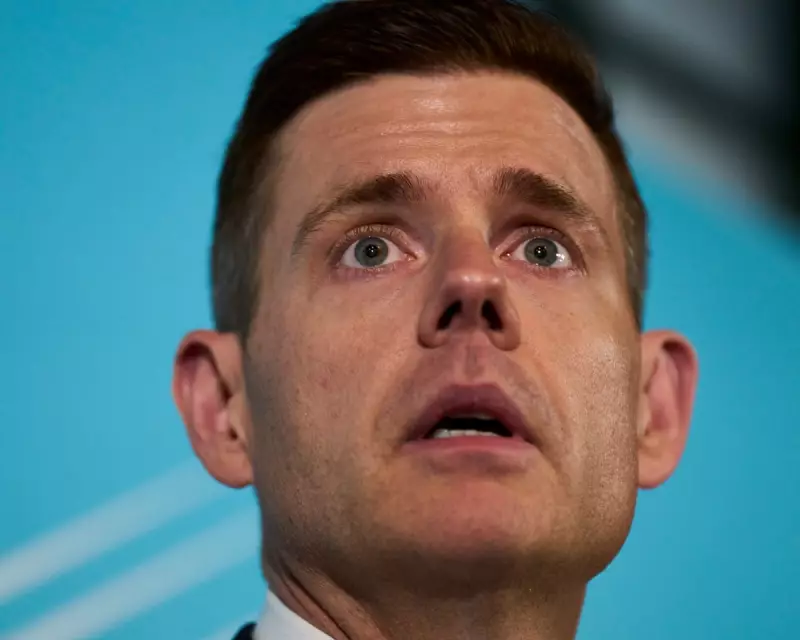
Matt Goodwin has been confirmed as the Reform UK candidate for the upcoming Gorton and Denton byelection, scheduled for 27 January 2026. His selection marks a significant moment in British politics, as Goodwin is widely regarded as the most extreme candidate yet fielded by the party. This development forces Labour and the Greens to define their responses, which will reveal much about their strategies and principles in confronting the evolving hard right.
The Evolution of Goodwin's Political Stance
Goodwin's political journey has been stark, transitioning from an academic adviser on anti-Muslim hatred during the coalition government to a vocal advocate of ethno-nationalist policies. In recent years, he has praised Hungary for its conservative policies, citing it as a model free from crime, homelessness, and mass immigration—a narrative common on the far right. His comments often lack evidence, serving more as rallying cries than reasoned arguments.
For instance, after the Huntingdon train stabbings, Goodwin blamed "mass uncontrolled immigration," even when faced with the fact that the suspect was British. He argued that Britishness involves more than just a birth certificate, hinting at exclusionary criteria. This shift from subtle dog-whistle rhetoric to overt ethno-nationalism underscores how the hard right has evolved, abandoning ambiguity for direct confrontation.

The Byelection as a Battle Over Race and Belonging
By selecting Goodwin, Reform UK has effectively turned the Gorton and Denton byelection into a referendum on race and national identity. His views align with Nigel Farage's proposed policies, such as abolishing indefinite leave to remain and deporting hundreds of thousands of people. This move challenges other parties to address these issues head-on, rather than relying on assumptions that Manchester's diversity will naturally reject such politics.
Labour leader Keir Starmer has already urged voters to unite behind the yet-to-be-announced Labour candidate, framing them as the only viable alternative to Reform. However, recent history, like the Caerphilly byelection where Plaid Cymru won by appealing to disaffected Labour voters, suggests that such tactics may not suffice. Voters are increasingly independent and resistant to top-down directives.
Responses from the Greens and Other Parties
The Green party, in the midst of selecting its own candidate, has strongly criticised Goodwin's anti-Muslim record, promoting a message of unity and hope. They aim to attract votes from across the spectrum by positioning prejudice as their main adversary. Meanwhile, George Galloway's Workers party has entered the fray with local councillor Shahbaz Sarwar, potentially competing for the same voter base as Reform despite differences on issues like Islamophobia.
Labour's initial attack video targeting the Greens, rather than Reform, indicates a strategic focus on traditional rivals, but this approach may overlook the unique threat posed by Goodwin's candidacy. The Greens' emphasis on inclusivity could resonate in a diverse constituency, but they face an uphill battle given their lower historical vote shares in the area.
The Need for a New Strategy from the Left
The hard right's evolution demands a fresh response from its opponents. Simply repeating old tactics or assuming demographic advantages will not be enough. Labour and the Greens must craft strategies that acknowledge the changed political landscape, where ethno-nationalist rhetoric is no longer hidden but proudly displayed. Their actions in this byelection will signal how seriously they take the fight against toxic politics and whether they can adapt to meet this new challenge effectively.
As the campaign unfolds, the reactions of Labour and the Greens will be closely watched, not just for their electoral impact but for what they reveal about the future of progressive politics in Britain. The stakes are high, and the outcome could set a precedent for how to counter the rising influence of hard-right ideologies in local and national contests.