A bitter dispute over pension reform is pushing Germany's coalition government to the brink of collapse, with young conservative rebels threatening to block legislation they claim unfairly burdens younger generations.
The Young Rebels Challenging Merz
An 18-strong group of young MPs from the Junge Union, the youth wing of the conservatives, is attempting to block Chancellor Friedrich Merz's pension legislation. They argue the proposed reforms would leave younger Germans carrying the financial can for the older generation.
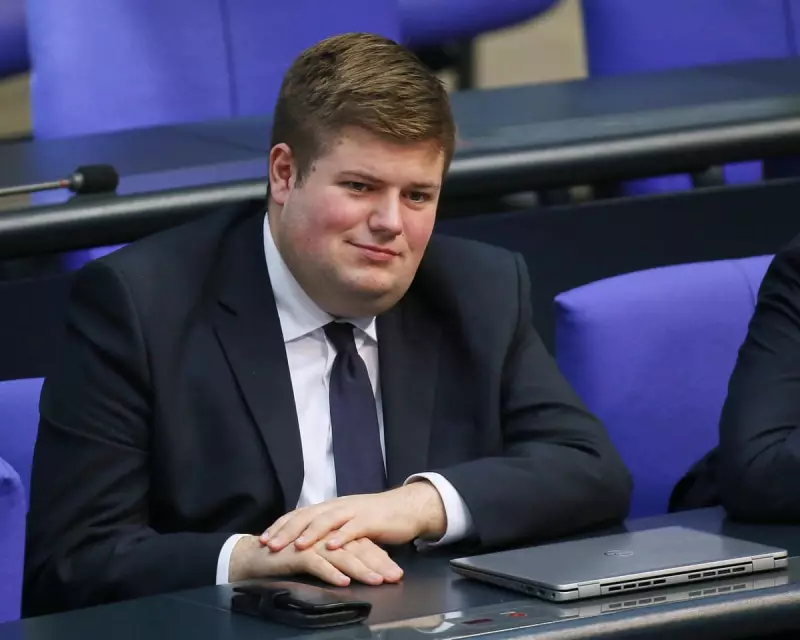
Among the rebels is 28-year-old Johannes Volkmann, grandson of former chancellor Helmut Kohl. The MP for Lahn-Dill has become a prominent voice for disgruntled conservative voters, arguing that Merz's proposals to guarantee pension increases for the next six years would create additional costs of around €120 billion until 2040.
"This will have to be carried by my generation," Volkmann stated. "This is simply fiscally unsustainable."
Germany's Demographic Time Bomb
The crisis highlights Germany's profound demographic challenges. The country's population is ageing faster than most European nations, with only two workers now supporting every pensioner, compared to three just years ago and six in the 1950s.
Correspondingly, compulsory pension contributions have soared to almost 19% of salaries, split between employers and employees, and face further increases under current plans.
Retirees currently receive approximately 48% of their salary as a pension. While pensioners' lobby groups argue this reflects what they've paid into the system, it creates a massive funding gap between pensions paid out and contributions received.
Political Stalemate and Wider Implications
With Merz commanding a slim majority of just 12 in the 630-seat Bundestag, the rebellion poses a serious threat. The total number of MPs prepared to stand against Merz could reach between 40 and 50, including older parliamentarians who believe the plans need rethinking.
The chancellor addressed a Junge Union gathering in southern Germany, telling members he would "vote in favour of this pension package with a clear conscience." He described it as one of many necessary adjustments to Germany's burgeoning welfare state.
Meanwhile, polls reflect widespread concern among Germans about their future pensions. An increasing number expect to work beyond the retirement age, which is gradually rising to 67.
Experts suggest the working-age population is unnecessarily bearing the burden of an ageing society. The young MPs propose reducing pension levels by just 1% to 47% of average salary to lessen the load on younger generations.
The German government faces calls to launch public information campaigns encouraging citizens to seek additional retirement income sources. Currently, only 60% of Germans have supplementary finances to rely on when they retire.
If the pension deadlock continues, other widespread reforms Merz has promised could stall, including recent plans to incentivise retirees to continue working.