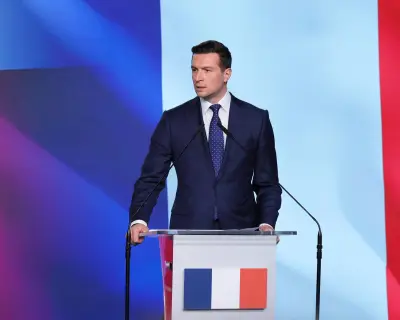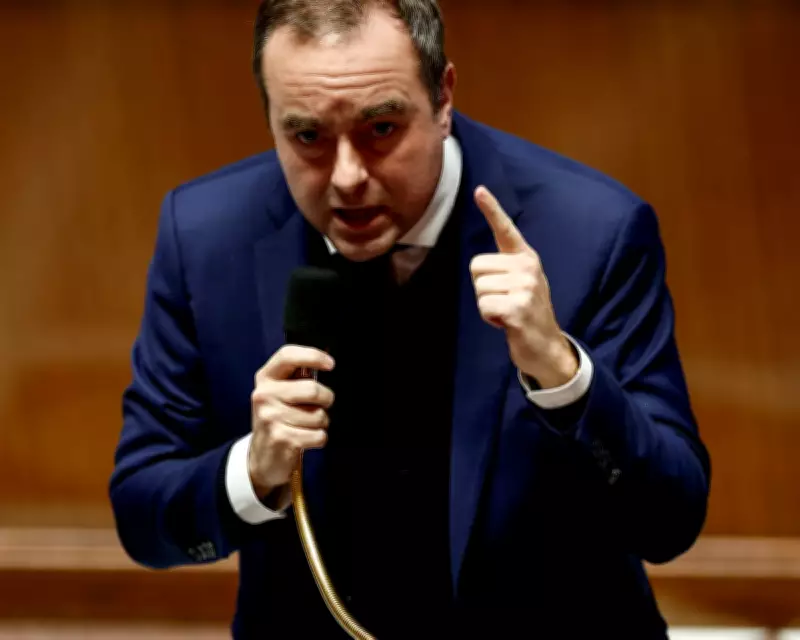
France has finally approved its national budget for the current year following months of intense political wrangling and a series of dramatic no-confidence votes that have shaken the country's institutions. The minority government, led by Prime Minister Sébastien Lecornu, managed to push the financial plan through using special constitutional powers that circumvented the need for a parliamentary vote, a move that has highlighted the deep divisions within French politics.
Surviving No-Confidence Motions
As part of the constitutional process, Lecornu and his administration faced multiple no-confidence motions, with the government narrowly surviving the final two votes on Monday evening. This outcome came after the Socialist party agreed not to vote against the government, securing concessions including the suspension of President Emmanuel Macron's controversial pension reforms, which had aimed to raise the retirement age from 62 to 64.
In a statement to parliament, Lecornu emphasised that the French people "refuse this disorder and want our institutions to function," framing the budget as a "breakthrough" for the nation. The budget includes a significant boost to defence spending, with an increase of €6.5 billion, though it also aims to reduce the deficit to 5% of GDP by 2026, down from 5.4% in 2025. Originally targeting 4.6%, the government adjusted this goal after scrapping pension reforms, as noted by rightwing rapporteur Philippe Juvin.

Political Deadlock and Instability
The budget negotiations have consumed French political circles for nearly two years, stemming from Macron's decision to call a snap election in June 2024, which resulted in a hung parliament. A left alliance secured the most seats but fell short of a majority, while the far-right National Rally gained significant influence without achieving dominance. Macron's centrist bloc lost seats but remained a key player, leading to a prolonged period of legislative gridlock.
This deadlock has triggered instability in Europe's second-largest economy, with multiple government collapses since 2024. Macron initially appointed rightwing Michel Barnier as prime minister, who was ousted after just three months over budget disputes. His successor, centrist François Bayrou, lasted only nine months before facing a similar fate. Lecornu, a close Macron ally, was appointed last autumn, resigning and reappointed in an effort to secure budget passage.
Future Challenges and Electoral Focus
Lecornu's fragile government now seeks to move beyond the budget impasse to address other pressing issues, such as legislation to protect farmers and bills on assisted dying and improved palliative care. However, the ongoing parliamentary deadlock continues to limit the administration's ability to enact domestic policies effectively.
With municipal elections scheduled across France next month, and the presidential election of spring 2027 looming as a key political focus, the landscape remains volatile. Macron, unable to seek a third term, has shifted his attention to foreign policy, advocating for European independence and a tougher stance against US President Donald Trump on issues like tariffs and the Greenland crisis.
Meanwhile, far-right leader Marine Le Pen, a potential contender for the 2027 election, is currently involved in a retrial over allegations of embezzling European parliament funds through a fake jobs scam. Found guilty last year and banned from office for five years, she is appealing the verdict, adding another layer of uncertainty to France's political future.