
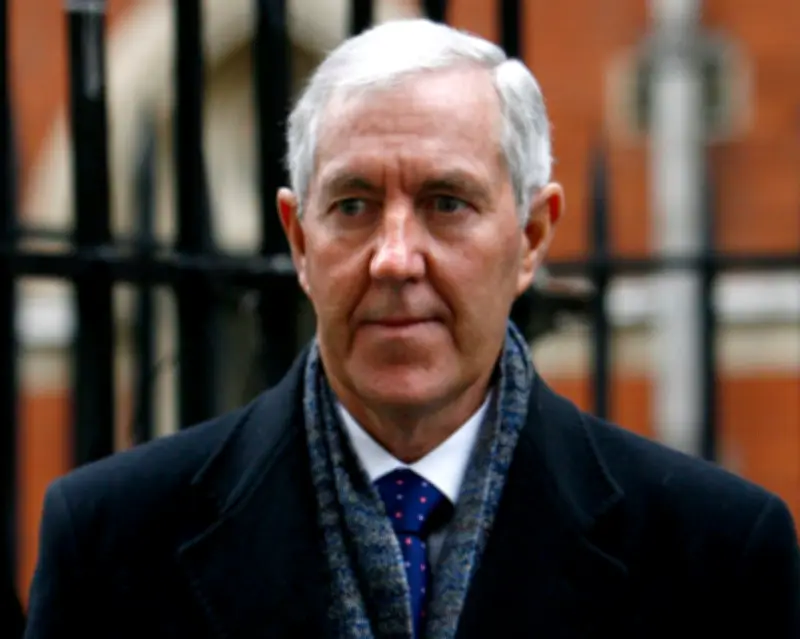
Former Metropolitan Police commissioner Paul Condon has admitted that the force failed for decades to properly control a controversial undercover unit that committed 'horrendous' abuses, the spycops inquiry has heard.
Condon's testimony and apology
Giving evidence on Tuesday, Condon said he was appalled by the wrongdoing of the Special Demonstration Squad (SDS), which spent 40 years spying on tens of thousands of political activists. He said there were 'rogue officers who've done some bad things' but that the greater fault lay with the Met's systemic failure to supervise the unit rigorously.
He said the undercover officers in the unit were told daily to 'lie, cheat and deceive as a way of life', but added that the Met should have realised the covert work 'can be corrupting' if strong rules were not in place.
At the outset of his testimony, Condon said he wanted to 'personally apologise for every single person who has been damaged by the actions of officers in the special demonstration squad over the decades, and I am appalled by so much of what I have learned throughout this inquiry and I sincerely apologise to every single person who has been damaged in this process'.
Scope of the abuses
The inquiry is examining wide-ranging misconduct by the undercover officers. This includes how SDS officers regularly deceived women into long-term relationships and even fathered children, spied on grieving parents while they sought justice for relatives or sought to expose police malpractice, stole the identities of dead children and lied in court.
The officers collected vast amounts of information about the political activities of the campaigners as well as about their personal lives such as their jobs, bank accounts, housing arrangements and childcare.
Condon's knowledge and responsibility
However, Condon said he knew nothing of the abuses when he was in charge of the Met between 1993 and 2000. He said he had been led to believe at the time by his more junior officers that the SDS was 'a well-regarded, properly supervised and ethically supervised unit'.
He said it was 'unrealistic' to suggest that as the head of the Met, he would have been aware of the day-to-day running of a small and secretive unit.
Surveillance of the Lawrence family
While he was in command, the SDS spied on the family of the murdered teenager Stephen Lawrence as the family sought to persuade the Met to investigate the racist killing. The failure to properly investigate the 1993 murder was one of the biggest and most contentious issues he had to handle and caused enormous damage to the reputation of the UK's biggest police force.
Condon said he 'never at any time commissioned, encouraged, authorised, acquiesced or was aware of any' of this surveillance by the SDS.
One of the undercover officers was told by his superiors that his surveillance reports on the campaign to bring Stephen's killers to justice were 'going straight to Commissioner Condon's desk each morning' and that he received a message back: 'Congratulations from the commissioner for your excellent reporting.' Condon denied that he received these reports.
He said there were 'horrendous things that went wrong' in the unit and 'appalling behaviour by individual officers'. He added: 'Equally, I think the greater fault lies with the Metropolitan police as a whole over decades, that these officers were told daily as their job to lie, cheat and deceive as a way of life and what they're asked to do.'
'The Metropolitan police should have realised that without limits, without ethical guidance, that this work in those circumstances can be corrupting and even someone with a strong moral compass will give in to baser instincts.'




