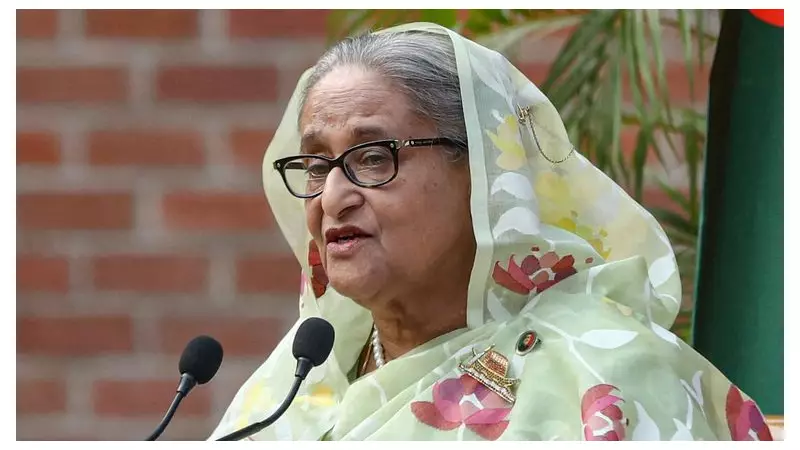
In a landmark ruling that has sent shockwaves through South Asian politics, Bangladesh's former Prime Minister Sheikh Hasina has been sentenced to death for her role in authorising a deadly crackdown on student-led protests.
Verdict Delivered Amid Tight Security
The Dhaka-based International Crimes Tribunal (ICT) delivered its verdict on Monday 17 November 2025, concluding a months-long trial that saw the 78-year-old leader convicted in absentia. Hasina, who has been living in exile in India since August 2024, was found guilty of ordering lethal force against protesters during the uprising that ended her 15-year rule.
The packed courtroom erupted in cheers and applause as the sentence was read out following a four-hour session conducted under heavy security. Paramilitary border guards and police had been deployed throughout Dhaka and other parts of Bangladesh anticipating potential unrest.
Scale of the Violence and Charges
The United Nations estimates that up to 1,400 people may have been killed during the government's clampdown on the protests, though Bangladesh's health adviser in the interim government placed the official death toll at more than 800 with approximately 14,000 injured.
The court found Hasina guilty on multiple counts, handing her a life sentence for crimes against humanity and the death sentence specifically for the killing of several people during the uprising. Evidence presented to the tribunal included conversations in which Hasina allegedly directed security officers to drop bombs from helicopters on protesters and permitted the use of lethal weapons, including shotguns at close range to maximise harm.
Political Fallout and International Response
In a statement released after the verdict, Hasina denounced the ruling as "biased and politically motivated" and vehemently denied the accusations. "Neither I nor other political leaders ordered the killing of protesters," she stated, adding that prosecutors had failed to produce persuasive evidence linking her directly to the order to use lethal force.
The ruling represents the most dramatic legal action against a former Bangladeshi leader since the country's independence in 1971 and comes ahead of parliamentary elections expected in February. Bangladesh's foreign ministry has called on India to extradite the former prime minister under an existing treaty between the two nations, while India's foreign ministry stated it had noted the verdict and remained committed to engaging constructively with all stakeholders.
Meanwhile, Hasina's Awami League party has called for a nationwide shutdown in protest at the verdict, and the interim government has warned that any attempts to create disorder will be dealt with strictly.