Trump's Dramatic Davos Retreat Signals European Diplomatic Watershed
In a remarkable display of diplomatic theatre, former US President Donald Trump executed a spectacular policy reversal during his January 2026 Davos address, abandoning his threatened military annexation of Greenland after days of escalating tensions. The Arctic island, which remains under Danish sovereignty, became the unlikely focal point of a transatlantic confrontation that ultimately revealed shifting power dynamics between Europe and the United States.
The Greenland Gambit: From Military Threats to Market Realities
Trump's Davos speech contained contradictory messaging that captured his administration's characteristic unpredictability. While reiterating his desire to acquire Greenland with the assertion that "you cannot defend what you do not own," he simultaneously announced he would refrain from military conquest. Hours later, he claimed an unspecified agreement had been reached with NATO Secretary General Mark Rutte, preventing additional tariffs against European nations that participated in Danish-led military exercises in Greenland.
The framework agreement, while lacking in public detail, appears to preserve Greenland's status within the Kingdom of Denmark while opening discussions about Arctic security, mineral rights, and sovereignty arrangements concerning US military installations. This represents a significant diplomatic victory for European unity and a notable departure from Trump's initial belligerent posture.

Market Forces and European Resolve: The Real Drivers Behind the Reversal
Several factors contributed to Trump's unexpected climbdown. While Republican discomfort with attacking a NATO ally and Rutte's diplomatic approach played roles, the most compelling explanation lies in financial market reactions and Europe's demonstrated willingness to employ economic countermeasures.
Unlike previous international violations that drew muted market responses, Trump's Greenland threats triggered significant financial turbulence when European institutions signalled their readiness to retaliate. The European Parliament suspended ratification of the EU-US trade agreement, while EU institutions began debating counter-tariffs approaching €100 billion and potential restrictions on US corporate access to the single market through the anti-coercion instrument.
This firm European response contrasted sharply with the previous year's approach, which had involved extensive appeasement efforts including favourable trade deals, increased defence spending commitments, and various diplomatic concessions aimed at maintaining US support for European security concerns.
The Failure of Appeasement and Europe's Newfound Resolve
Europe's year-long strategy of accommodation proved spectacularly ineffective. Despite offering numerous concessions and diplomatic courtesies, European leaders received continued humiliation regarding Ukraine, mockery of European concerns, and ultimately the threat of Greenland's annexation. Trump's Davos statement that "no one defends what they don't own" effectively dismissed NATO's Article 5 collective defence principle, laying bare the limitations of Europe's previous approach.
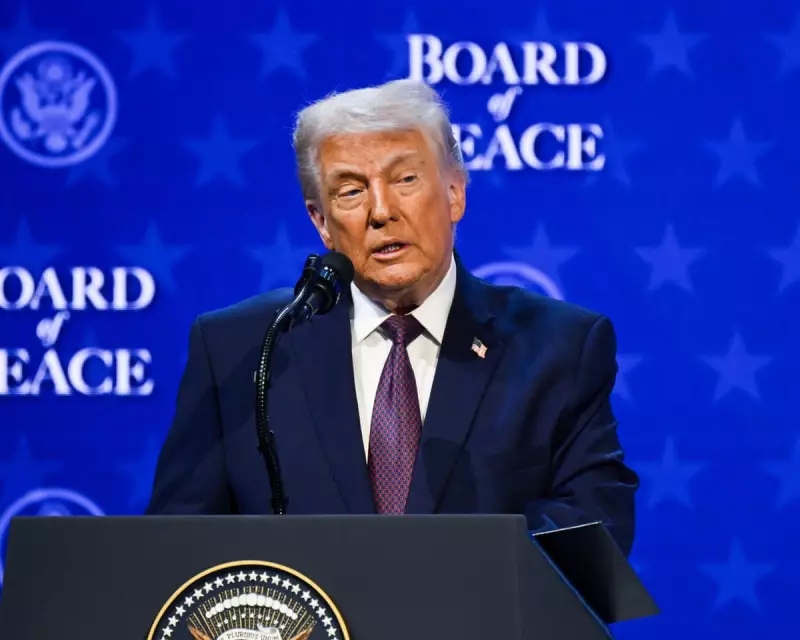
The Greenland crisis, however, revealed a changing European dynamic. Individual and collective statements of solidarity with Denmark, military exercises involving multiple European nations in Greenland, and the near-universal European rejection of Trump's "board of peace" initiative demonstrated unprecedented coordination. Only Hungary and Bulgaria maintained their alignment with US positions, highlighting the remarkable consensus achieved among other EU members.
Strategic Implications and Future Transatlantic Relations
While the immediate crisis has been defused, fundamental questions remain about Europe's capacity to sustain this newfound firmness. The EU's characteristically cautious, consensus-driven approach suggests any future retaliation would likely be incremental and accompanied by diplomatic off-ramps. Nevertheless, the Greenland episode provides a clear strategic lesson: European strength and unity prove more effective than subordination when confronting Trump's transactional diplomacy.

The temporary calm following Trump's retreat presents both opportunity and risk. European leaders may be tempted to return to comfortable patterns of inaction, but the next transatlantic crisis inevitably approaches. When it arrives, European policymakers would do well to remember that strength represents the only language this particular American leader consistently understands and respects. The Davos episode suggests that when Europe collectively demonstrates resolve and economic leverage, even the most unpredictable US administration can be compelled to reconsider its most aggressive positions.