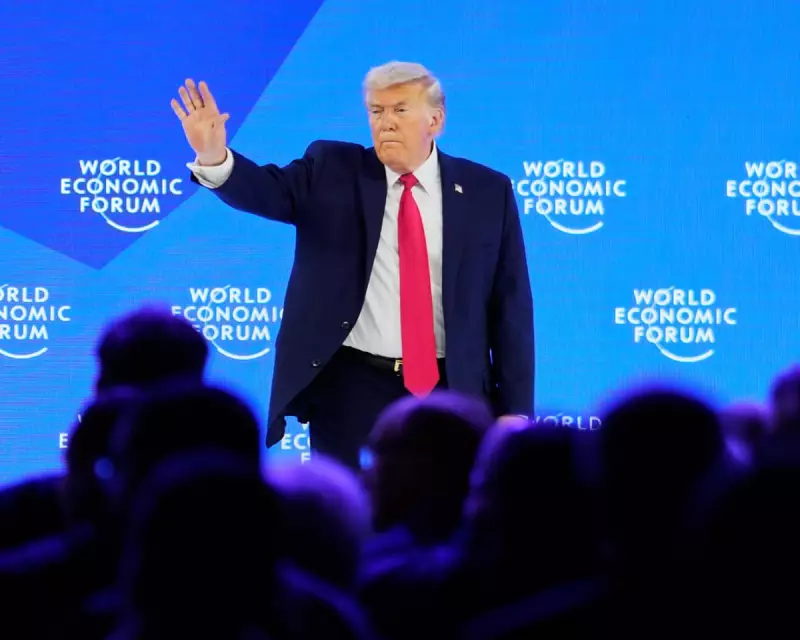
Bidding farewell to the influence of Donald Trump presents a complex and protracted challenge for Europe, requiring strategic financial disentanglement rather than mere political gestures.
The Urgent Need for Financial Independence
While surface appearances may suggest business as usual, behind closed doors, both the European Union and the United Kingdom are contemplating significant steps to reduce their financial reliance on the United States. This process involves metaphorically closing joint accounts and severing credit lines to limit the sway of what could be described as a domineering former partner.
Achieving this separation will neither be straightforward nor rapid, yet it represents a necessary and, importantly, attainable objective for European stability and sovereignty.

Global Financial Shifts and Bond Market Movements
The tectonic plates of international finance are gradually shifting, with many nations reassessing their exposure to US economic policies. Contrary to the seemingly unstoppable rise of the S&P 500, which continues to attract global capital, other financial indicators tell a different story.
China has been systematically reducing its holdings of US government bonds over the past year, effectively decreasing its lending to the American government through bond markets. Japanese pension funds have followed a similar trajectory, driven partly by concerns over inflated US stock prices reminiscent of the dotcom bubble era.
This cautious approach reflects broader anxieties about potential market corrections and the desire to hedge against financial instability.
European Initiatives and Pension Fund Leadership
The gradual withdrawal of bond investors is incrementally increasing US government borrowing costs. If Europe were to initiate its own financial separation, it would likely begin by divesting from US bonds held within its institutions.
A notable example emerged recently when AkademikerPension, Denmark's primary academic pension scheme, announced it would sell all remaining US government bonds from its multibillion-pound portfolio by month's end. Investment director Anders Schelde cited "poor US government finances" as the rationale, acknowledging that while not directly linked to transatlantic tensions, the political climate didn't hinder the decision.
Though the $100 million holding represents a modest sum, its symbolic significance as a potential catalyst for broader European action could prove substantial.
Regulatory Support and Market Alternatives
European regulators could facilitate this transition by easing restrictions on pension funds seeking to reduce US bond exposure. Historically, many funds have relied heavily on credit rating agencies' assessments, despite these institutions' questionable track record during the 2008 financial crisis.
By encouraging funds to independently evaluate US debt risks, regulators could promote more diversified, resilient portfolios. While divestment carries costs—including potential depreciation of remaining bond holdings—the long-term benefit of reduced risk exposure mirrors the Danish approach.
Developing European Debt Markets
A more ambitious solution involves Europe creating its own euro-denominated bond market as an alternative to US Treasury bonds. This concept, originally proposed by the Bruegel thinktank in 2010 and recently updated, would establish a competing safe haven for global investors, gradually diminishing US market dominance.
The EU has previously demonstrated capacity for collective borrowing through initiatives like the €385 billion NextGenerationEU recovery scheme. However, as both Bruegel and the Peterson Institute argue, what's needed is a permanent market structure capable of rivaling established alternatives.
With worldwide demand for secure investment options growing, Europe stands poised to position itself as a viable destination for such capital.
Practical Implementation and Cross-Channel Cooperation
Implementation could begin with a coalition of willing nations rather than requiring unanimous agreement among all EU members. This approach might reluctantly acknowledge London's continued importance as Europe's deepest and widest bond market hub.

Such recognition could paradoxically strengthen EU-UK relations, as financial incentives might overcome political resistance on both sides of the Channel. Politicians in Berlin, Amsterdam, Dublin, and potentially Paris increasingly seek closer ties with Britain, and shared economic benefits could accelerate this reconciliation.
Ultimately, developing an independent European debt market in euros would provide valuable insulation against potential financial threats from the US administration, creating a more secure and self-determined economic future for the continent.