European Union leaders are gathering in Brussels today for a critical end-of-year summit, with a pivotal decision on the table: whether to use billions in frozen Russian central bank assets to bolster Ukraine's defence against the ongoing invasion.
The Stakes: Ukraine's Financial Crunch and Europe's Security
The 27-nation bloc is scrambling to find ways to strengthen Kyiv's position as the war approaches its fourth year. The EU estimates that Ukraine requires an additional €135bn ($159bn) to remain solvent over the next two years, with a severe cash shortage expected to begin as soon as April 2025. To address this gap, the European Commission has proposed a plan to access roughly €210bn of Russian state assets currently frozen within the EU.
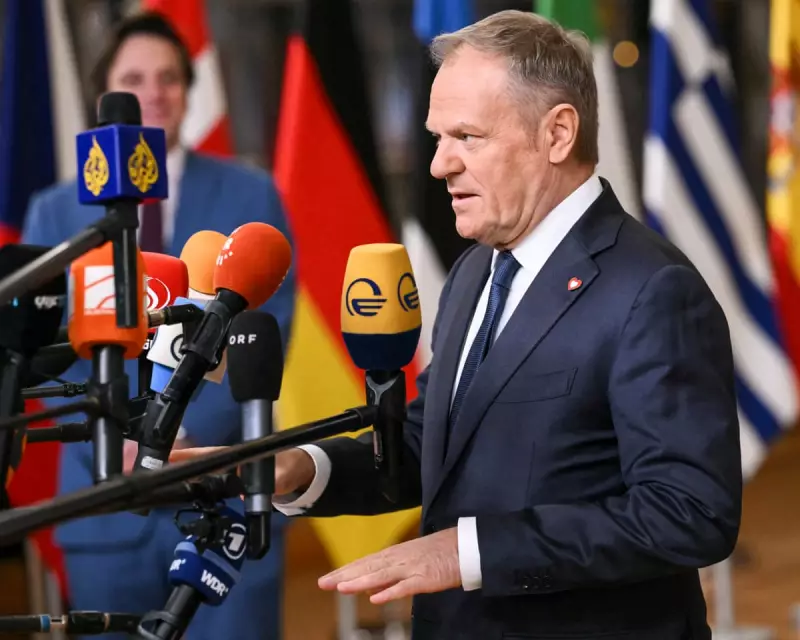
German Chancellor Friedrich Merz has argued that the plan is essential to increase pressure on Russian President Vladimir Putin and send "a clear signal." Polish Prime Minister Donald Tusk delivered an even starker warning this morning, stating, "we have a simple choice: either money today, or blood tomorrow." He emphasised that the threat was not confined to Ukraine, adding, "I’m not talking about Ukraine only, I’m talking about Europe."

The Legal and Political Hurdles
However, the proposal faces significant opposition. Belgium, home to the Euroclear clearing house which holds the majority of the frozen Russian assets, has led a bloc of nations raising concerns about potential legal ramifications. Bulgaria, the Czech Republic, Italy, Malta, and Slovakia have also expressed doubts.
While this group likely lacks the numbers to formally block the proposal under the EU's qualified majority voting rules, their resistance creates a major political obstacle. The alternative—raising common EU debt to fund Ukraine—would require unanimous approval and is certain to be vetoed by Hungary, which firmly opposes further aid for Kyiv.
A Marathon Session with No Guaranteed Outcome
European officials have insisted the talks will continue for as long as necessary to reach an agreement, stressing that both Ukraine's survival and Europe's credibility are on the line. European Commission President Ursula von der Leyen stated she would not leave the meeting before a deal is struck.
In a sign of the entrenched positions, Slovak Prime Minister Robert Fico quipped earlier this week that leaders could keep him in Brussels until the New Year, but he still would not support the plan. In a last-ditch effort to sway critics, Ukrainian President Volodymyr Zelenskyy is scheduled to address the summit remotely.
The stage is set for a protracted and difficult negotiation in Brussels, with the future of European security and support for a war-torn ally hanging in the balance.