Denmark Heads to the Polls in Snap General Election
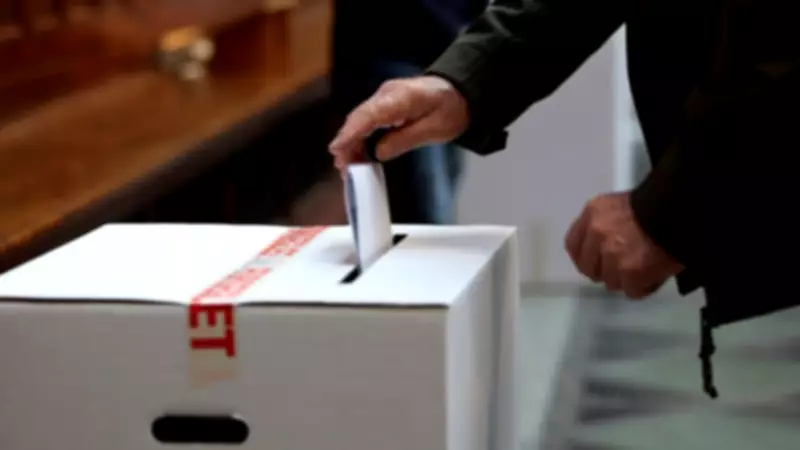
Denmark is holding a snap general election on Tuesday, 24 March 2026, called early by Prime Minister Mette Frederiksen in a strategic move to capitalize on her boosted popularity. The 48-year-old leader of the centre-left Social Democrat party is aiming to secure a third term in office, with polls opening across the country.
Frederiksen's Popularity Surge from Greenland Standoff
Frederiksen's fading popularity during her second term has seen a significant resurgence due to her firm refusal to bow to pressure from former US President Donald Trump over the ownership of Greenland. This vast Arctic island, a semi-autonomous territory of the Danish kingdom, became a focal point in recent months, with Frederiksen warning in January that an American takeover could threaten NATO's stability. Her stance has resonated with the Danish public, strengthening her position ahead of the election.
Challengers and Coalition Dynamics
Hoping to unseat Frederiksen are two key opponents from the centre-right bloc. Troels Lund Poulsen, the Liberal Party candidate and current defence minister in Frederiksen's coalition government, is one contender. The other, Alex Vanopslagh of the Liberal Alliance, has faced scrutiny after admitting to past cocaine use during his time as party leader, potentially denting his electoral chances. Meanwhile, the anti-immigration Danish People's Party appears poised for a comeback after a weak showing in the 2022 election.
Under Denmark's proportional representation system, no single party is expected to win a majority. This likely means another coalition government will form, either from the leftist "red bloc" or right-wing "blue bloc," possibly after extended negotiations. Frederiksen's outgoing administration was notable as the first in decades to bridge the political divide, involving three parties.
Greenland's Role and Broader Context
Although Greenland dominated government attention in recent months, it has not been a prominent campaign issue due to broad consensus on its place within the kingdom. The crisis has since eased, with Washington engaging in talks with Denmark and Greenland over an Arctic security deal. More than 4.3 million eligible voters are casting ballots for the Folketing, Denmark's single-chamber parliament with 179 seats, including two each representing Greenland and the Faroe Islands. The election outcome will shape Denmark's political landscape for the next four-year term.