Democrats Face Criticism Over Election Security Strategy for 2026
Political observers and historians are raising significant concerns about the Democratic party's current approach to safeguarding the integrity of the upcoming 2026 elections. While party leaders have concentrated efforts on voter mobilisation and campaign strategies, experts argue they are neglecting crucial defensive measures against potential election manipulation.
The Growing Threat of Election Interference
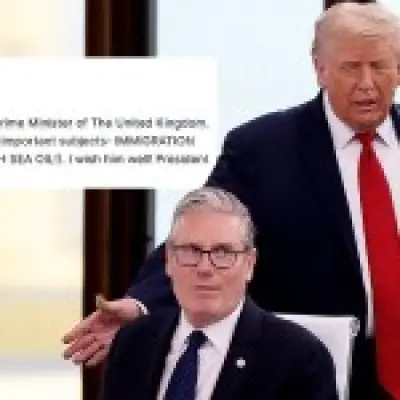
Recent statements from former President Donald Trump have highlighted what many see as a clear and present danger to democratic processes. During interviews, Trump expressed regret about not deploying the National Guard to seize voting machines following his 2020 election loss, comments that election security experts interpret as warning signs of future intentions.
Robert Kagan, a senior fellow at the Brookings Institution, articulated the severity of the situation during a January podcast interview. "There's no chance in the world that Donald Trump is going to allow himself to lose in the 2026 elections," Kagan stated, emphasising that the former president's need for complete political domination makes a fair electoral defeat unacceptable to him and his allies.

Project 2025: A Blueprint for Election Manipulation
The detailed proposals within Project 2025 have become a particular focus of concern among democracy advocates. This comprehensive plan includes several measures that could fundamentally alter election administration and oversight:
- Transferring election crime investigations to the Department of Justice's criminal division, potentially criminalising ordinary voting activities
- Substantially reducing funding for the Cybersecurity and Infrastructure Security Agency, which provides essential security support to election offices nationwide
- Weaponising federal power to retaliate against election officials whose decisions displease administration figures
Marc Elias, a prominent Democratic election lawyer, has warned that "the 2026 midterms will be easier for Trump to steal than the 2020 election" due to increased experience among those seeking to manipulate outcomes and weakened election systems following sustained attacks from election deniers.
International Parallels and Authoritarian Tactics
Experts point to concerning parallels with authoritarian regimes that have successfully manipulated electoral processes. The tactics employed by Hungary's Viktor Orbán—including gerrymandering electoral districts, restricting mail-in voting, and enabling "voter tourism"—represent precisely the kind of strategies that could be adopted in the United States.
Academic research suggests that electoral manipulation serves multiple purposes for aspiring autocrats, signalling strength to bureaucratic institutions, potential elite defectors, and civil society stakeholders while creating an aura of invincibility around the manipulating party.
The Urgent Need for Defensive Action
Despite these clear warnings, Democratic leadership continues to prioritise traditional campaign activities over protective measures. This strategic gap leaves the United States vulnerable to executive actions, voter intimidation tactics, and interference with vote counting processes that could determine the 2026 election outcomes regardless of voter preferences.
As the Washington Post reported in January, efforts to influence the midterm elections and sow doubt about their validity are already underway, building upon strategies tested during attempts to reverse the 2020 results but with greater preparation and resources.
Political scientists emphasise that mobilising voters represents only half the battle for democracy protection. Without simultaneous efforts to fortify election systems against manipulation, even successful turnout campaigns could prove meaningless if the mechanisms for fair vote counting and certification have been compromised.
The coming months will test whether Democratic leaders recognise this dual challenge or continue with what critics describe as a dangerously incomplete strategy for preserving electoral integrity in an increasingly polarised political landscape.