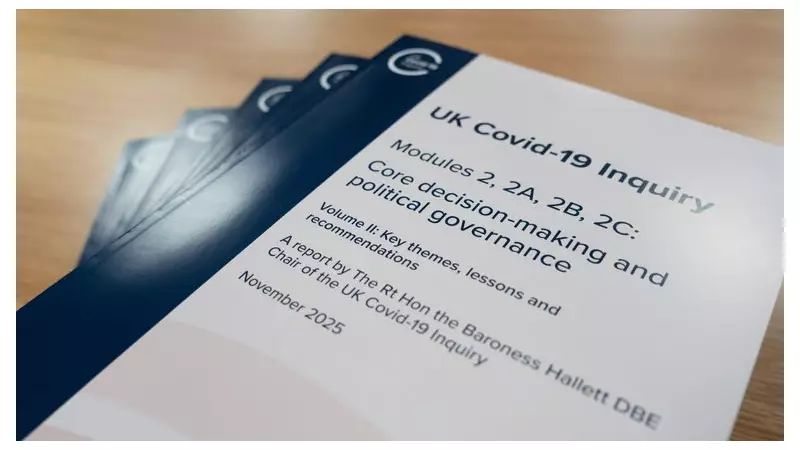
A scathing report from the UK's COVID-19 Inquiry has delivered a devastating verdict on the handling of the pandemic, concluding that all four UK governments fundamentally failed to grasp the scale of the threat and the urgency required in their response.
Published on Thursday, 20th November 2025, the report by inquiry chair Baroness Heather Hallett describes the UK's overall reaction as "too little, too late", a failure that had tragic, quantifiable consequences.
A Week That Cost Thousands of Lives
The inquiry's most stark finding centres on the timing of the first national lockdown. The report states that tens of thousands of lives could have been saved during the first wave of COVID-19 if a mandatory lockdown had been imposed just one week earlier.
Based on modelling data, the inquiry found that England alone could have seen 23,000 fewer deaths had decisive action been taken sooner. The UK government first introduced advisory measures, such as self-isolation and social distancing, on 16 March 2020. The report suggests that had these been implemented earlier, the full mandatory lockdown that began on 23 March 2020 might have been avoidable.
Baroness Hallett noted that a pervasive "lack of urgency" made the eventual lockdown inevitable, condemning February 2020 as a "lost month" where the tempo of the response fatally lagged behind the spreading virus.
Toxic Culture and Misleading Assurances
At the heart of the UK government's flawed response was what the report describes as a "toxic and chaotic culture". This environment, exacerbated by the "destabilising behaviour" of individuals like former No. 10 adviser Dominic Cummings, severely hampered effective decision-making.
The inquiry found that former Prime Minister Boris Johnson failed to tackle this chaos and, at times, actively encouraged it. This reinforced a culture where "the loudest voices prevailed and the views of other colleagues, particularly women, often went ignored."
Compounding this failure was a "serious failure" by the governments in England, Scotland, Wales, and Northern Ireland to appreciate the looming risk. This was partly due to "misleading assurances from the Department of Health and Social Care" and a widely held but incorrect belief that the UK was well-prepared for a pandemic.
Repeated Failings and Future Recommendations
The report is highly critical of the government's decision to significantly ease restrictions in England in July 2020, despite scientific advisers warning of the public health risks. Baroness Hallett labelled the repetition of many initial failings later in 2020 as "inexcusable", given the ample warning signs of rising virus prevalence into the winter.
While the inquiry does not advocate for national lockdowns, which it states should be avoided if possible, it stresses that to do so, governments must take "timely and decisive action." The four UK governments did not.
To better protect the nation in any future health crisis, Baroness Hallett has put forward 19 key recommendations aimed at improving decision-making and preparedness, hoping to ensure the grave errors of the COVID-19 pandemic are not repeated.