Cornwall's Political Divide: Two Locals Debate Devolution, Tariffs & Identity
In a revealing dinner conversation that bridged political divides, two Cornishmen from different backgrounds and voting histories found surprising common ground on the challenges facing their home county while maintaining distinct perspectives on solutions.
Meeting Across the Political Spectrum
John, a 41-year-old automotive engineer from St Austell, typically votes for Mebyon Kernow when available, though he supported the Greens in the last election and occasionally votes Liberal Democrat. Outside politics, he's known as a hardcore raver who once attended a 24-hour rave in Birmingham.
Jeremy, 54, works for a charity in Wadebridge and normally votes Liberal Democrat, with one Labour vote in 1997 marking his political history. He brings practical political experience to the table, having served as deputy leader of Cornwall council during a challenging Lib Dem/independent coalition that faced austerity measures.
"I found John quiet. He was very pleasant, very warm," Jeremy observed about their initial meeting. John reciprocated the positive impression, noting "Jeremy seemed smiley and approachable, and less nervous about meeting a random stranger than I did."
Shared Concerns About Cornwall's Future
Both men identified identical core problems plaguing Cornwall: the severe housing crisis, persistently low wages, and limited opportunities for ambitious residents. "All the issues he identified about Cornwall are the same as the ones I'd identify," Jeremy confirmed, highlighting how Cornwall has become increasingly attractive to retirees, further skewing housing prices beyond the reach of working families.
John elaborated on Cornwall's unique challenges stemming from its sparse population following the decline of mining over two centuries. "If I had taken any kind of public transport to this dinner, I would have had to allow three and a half hours," he noted, emphasizing how Cornwall's geographical realities create different requirements for infrastructure like public transportation compared to more densely populated counties.
Diverging Views on Devolution and Identity
While both agreed that power should be exercised at a more local level, their reasoning diverged significantly. For Jeremy, devolution represents "a purely functional thing - you devolve power to the highest level necessary and the lowest level possible." He remains skeptical about national identity as an organizing principle for governance.
John, however, sees Cornish national identity as crucial to addressing the county's specific needs. "We need the ability to control policies in a way that's more in tune with the needs of Cornwall, because our challenges are so different," he argued, drawing parallels to the nationalist movements in Scotland and Wales while distinguishing his position from more extreme forms of nationalism.
Jeremy acknowledged the distinction, noting "He wasn't saying, 'We don't want certain people here.' It was more the nationalism you would see in Scotland and Wales, not a Tommy Robinson version."
Navigating Modern Terminology
The conversation turned to contemporary political language, with both men expressing concerns about how terminology can create unnecessary divisions. Jeremy reflected on how his daughter frequently corrects his language, and he views the term "woke" as often being "used as a lazy term of abuse for somebody else's argument." He prefers understanding it as being respectful of others' views and feelings.
John agreed that some aspects of progressive politics have gone too far, even while both men generally hold left-wing views. He cited Jeremy's example of spending excessive meeting time debating whether to use "chairman" or "chairperson" as the kind of focus that can provide ammunition for political opponents.
Surprising Agreement on Tariffs
The most unexpected area of agreement emerged around economic policy, specifically regarding tariffs. When Jeremy criticized Donald Trump's approach to tariffs as creating problems for future presidents, John surprised him by responding, "I'm not sure I agree with that."
"This is the one thing I agree with Donald Trump on," John explained. "If you impose tariffs, in the short term it increases costs. But in the long term, it protects jobs." He clarified that he wasn't advocating for extreme tariffs announced impulsively on social media, but rather recognizing that "the whole concept makes you more insulated from global economic incident."
Reflections and Takeaways
Both men appreciated moments of intellectual humility during their conversation. "There were a couple of areas where we both said we didn't have enough information to have a strong opinion," John noted, adding that "we both wished more people would just admit it when they didn't know enough."
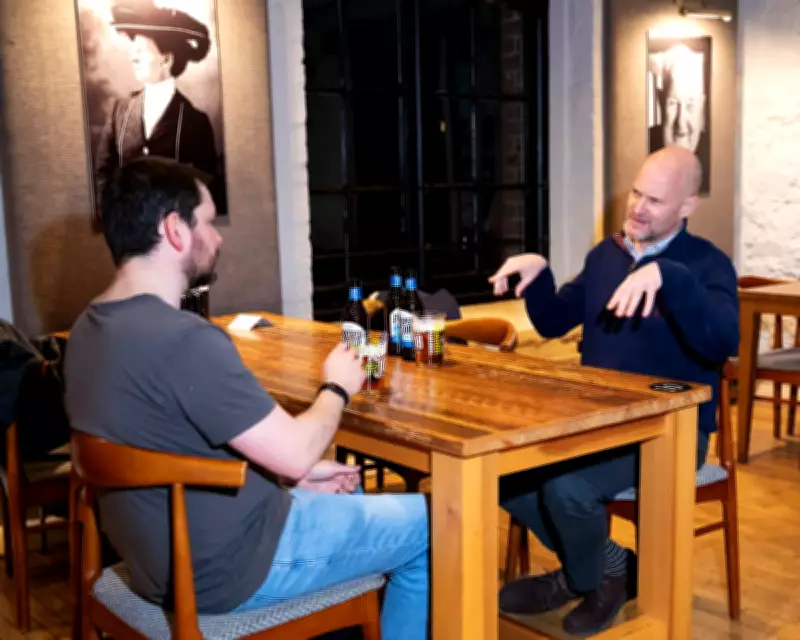
The evening ended on a positive note, with the two exchanging phone numbers for potential future meetings outside of their dry January commitments. Their conversation at Hicks Bar in St Austell demonstrated how political discussions can bridge divides when approached with openness and respect, even when fundamental differences remain about how best to address Cornwall's pressing challenges.