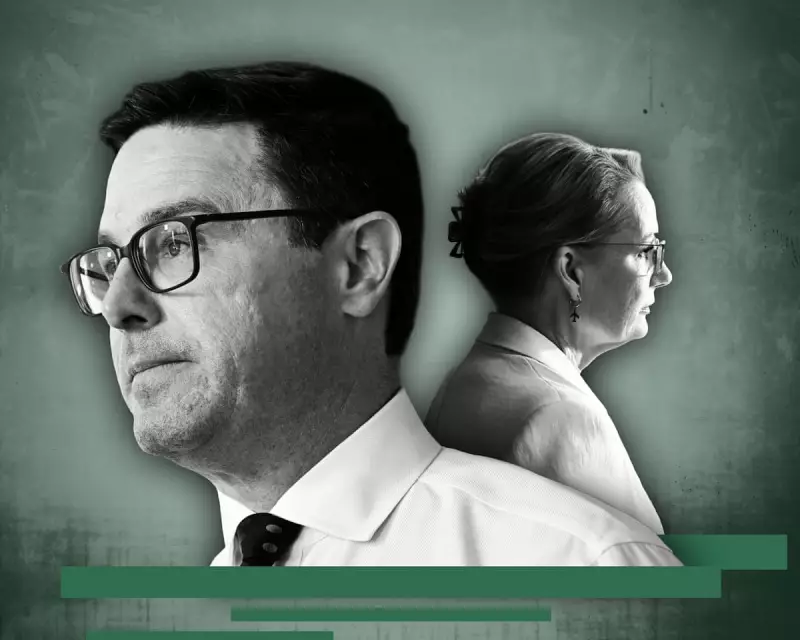
Coalition Collapses Amid Political Turmoil Over Hate Speech Legislation
As the political dust settles following a week of extraordinary chaos in Canberra, senior Coalition figures are bracing for significant leadership changes. Multiple sources within both the Liberal and National parties now anticipate that both Opposition Leader Sussan Ley and Nationals leader David Littleproud will face removal from their positions after presiding over the second formal split between the conservative partners within just twelve months.
The Week That Broke the Coalition
What began as a challenging summer period for Prime Minister Anthony Albanese has culminated in the complete disintegration of the Coalition partnership, marking the second formal breakup between the Liberals and Nationals in under a year. The extraordinary sequence of events has left opposition MPs dismayed that their side has once again become the dominant political story, overshadowing government business and national mourning periods.
Guardian Australia has conducted extensive interviews with more than a dozen political insiders to reconstruct the five dramatic days that shattered the Coalition alliance, with some senior figures now hoping this separation might prove permanent. "Whatever happens moving forward, the Coalition as a political concept is now fundamentally unworkable," revealed one Liberal parliamentarian, expressing the widespread anger directed toward Nationals leadership.

Shadow Cabinet Solidarity Breached
The crisis originated during a contested shadow cabinet meeting on Sunday evening, where Ley convened her frontbench team to determine a position on Labor's revised hate speech legislation. Following the government's decision to separate contentious anti-racial vilification provisions from wider security measures, the political landscape shifted dramatically.
While Liberals maintain that shadow cabinet unanimously resolved to support the bill pending specific negotiated fixes, Nationals representatives now argue this agreement did not constitute a binding position. This fundamental disagreement over what was decided during that critical Sunday meeting lies at the very heart of the current schism.
Electoral Pressures and Internal Dynamics
Political observers point to several underlying factors that contributed to the Nationals' decision to break ranks. The growing electoral threat from Pauline Hanson's One Nation party, particularly in regional constituencies, has created significant pressure on the junior Coalition partner. Recent opinion polls showing One Nation's primary vote surpassing the Coalition for the first time have triggered what insiders describe as "panic mode" within Nationals ranks.
Internal dynamics within the Nationals party room also played a crucial role, with right-wing backbencher Matt Canavan emerging as a particularly influential figure. "Canavan runs the show," commented one senior Coalition source, highlighting the Queensland senator's substantial sway over his colleagues' positions.
The Fateful Vote and Immediate Aftermath
Confusion reigned throughout Tuesday as the Nationals' position remained unclear even to their Liberal counterparts. When the hate speech bill reached the lower house for a decisive vote, two Nationals backbenchers crossed the floor to oppose the legislation while former leader Michael McCormack sided with the government. Nationals frontbenchers, including Littleproud himself, abstained from voting—a technical but significant breach of shadow cabinet solidarity conventions.
The situation escalated dramatically in the Senate that evening, where Nationals senators Bridget McKenzie, Ross Cadell, and Susan McDonald crossed the floor to formally reject the legislation. Their leader watched proceedings from the visitor's gallery, a highly unusual move that Liberal MPs interpreted as ensuring his colleagues maintained their rebellious position.

Leadership Crisis Unfolds
Wednesday morning brought immediate consequences as the three rebellious Nationals senators prepared resignation letters from shadow cabinet positions. However, Littleproud escalated the crisis by threatening a complete Nationals walkout from the frontbench if Ley accepted their resignations. When the Liberal leader proceeded with dismissing the three senators, Littleproud followed through on his threat, leading the remaining eight Nationals frontbenchers to tender their resignations.
The final rupture occurred on Thursday morning when Littleproud delivered an ultimatum to Ley during a tense phone conversation. Unless the three sacked senators were immediately reinstated, the Coalition partnership would terminate permanently. Despite Ley's request to delay public announcements out of respect for the national day of mourning for Bondi massacre victims, Littleproud proceeded with a Brisbane press conference announcing the formal end of the Coalition.
Political Fallout and Leadership Futures
Liberal MPs expressed fury at Littleproud's decision to publicly blame Ley for the split during a solemn national occasion. As the political landscape adjusts to this new reality, attention has turned to the leadership futures of both major figures. Ley remained defiant when questioned about her prospects on Friday, insisting she would survive as leader despite the catastrophic breakdown.
However, senior Liberal sources suggest her position has become untenable, with conservative heavyweights Angus Taylor and Andrew Hastie reportedly considering leadership challenges. "You can't come back from this," concluded one Liberal parliamentarian. "It's done and dusted." Meanwhile, Littleproud faces his own internal pressures within a Nationals party room divided over strategy and leadership.
The dramatic events of this extraordinary week have not only shattered Australia's conservative political alliance but have fundamentally altered the nation's political landscape. With both major opposition leaders now fighting for their political survival, the path forward for Australia's conservative forces remains uncertain and fraught with internal divisions.