
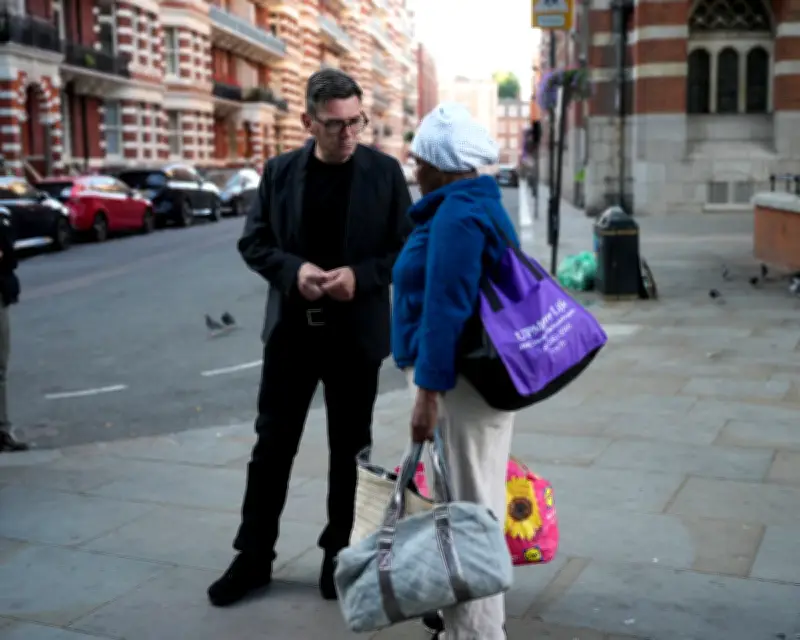
In January 2017, Andy Burnham, then mayor of Greater Manchester, promised to end rough sleeping in the region by 2020—a bold pledge that did not materialize. Nearly a decade later, as prime minister, Burnham has renewed that promise, this time for all of England. The question remains: why should anyone believe him now?
Burnham's Track Record in Manchester
Official figures show rough sleeping in Manchester decreased by two-thirds during Burnham's first five years as mayor. However, critics argue these statistics are unreliable, based on single-night snapshots that underestimate the true scale. Walking through Manchester city centre in the early hours still reveals dozens of people bedding down. Moreover, even the official stats now show rough sleeping is three-quarters of what it was in 2017, not the two-thirds reduction initially claimed.
Burnham himself acknowledged the pledge was more a "wake-up call" than a traditional target. "I wasn't making what you would call a traditional target," he told Daniel Lavelle in 2019. "I issued my commitment to make it more of a wake-up call to the system." His advisers had urged him to say "end the need for rough sleeping," but Burnham resisted, later admitting that phrasing might have been wiser.
New Funding: £340m Over Five Years
After Burnham's recent speech, his government pledged an extra £340m—£68m a year over five years—on top of £3.5bn already allocated to tackle homelessness. With an estimated 15,000-18,000 unique rough sleepers annually in England, that amounts to roughly £3,777 per person—about four months' rent. The government says it will target 3,000 of the most vulnerable rough sleepers, giving them closer to £22,000 each, but how one qualifies for that list remains unclear.
According to Shelter, there are 380,000 homeless people in England, a figure likely an underestimate. Solving homelessness would require an unprecedented social housebuilding programme, reversing 16 years of austerity, and potentially higher taxes or nationalisation—a political challenge given many Labour MPs' market-friendly stance.
Realistic Solutions: Housing First and Benefits Reform
Burnham could trigger a nationwide Housing First programme, which gave people homes with no preconditions and tailored support. This worked during the Covid-19 pandemic with the Everyone In campaign, which virtually ended rough sleeping overnight by block-booking hotels. He could also remove punitive elements from the benefits system, which currently resembles a "gameshow created by Kafka."
Other short-term measures include housing people in the 300,000 long-term empty homes in England, capping rents at affordable rates, fast-tracking asylum applications, and enabling asylum seekers to receive benefits and temporary work visas while their claims are processed.
Political Will and Challenges
Daniel Lavelle, who has interviewed Burnham several times, expresses skepticism: "I'm not confident that Burnham will do any of these things. Not because I think he doesn't care or lacks the political will, but because government apparatus is smothered in molasses, and most Labour politicians are Tories in all but name." Yet Lavelle urges caution: "Let's see what Burnham does before writing him off as yet another neoliberal metronome with fine words and dry parsnips."
Burnham's honeymoon period may be short. As winter approaches, he must act quickly—not just for his premiership, but for the thousands of people sleeping on the streets.




