Andy Burnham's Path to Parliament Blocked by Labour's New Rule
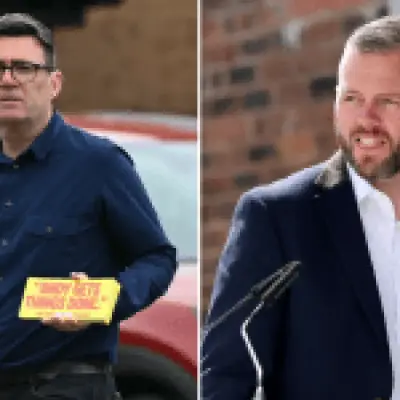
The political landscape has been shaken by the announcement that former Labour health minister Andrew Gwynne will step down from Parliament, triggering a by-election in his Gorton and Denton constituency. This development has immediately sparked speculation about a potential return to Westminster for Andy Burnham, the popular Mayor of Greater Manchester. However, significant obstacles stand in his way, primarily from within his own party.
The New Rule That Could Derail Burnham's Ambition
Labour's 2026 rule book introduces a critical barrier for directly elected mayors like Burnham who wish to become MPs. The regulation states clearly: "Directly Elected Mayors and Police and Crime Commissioners must seek the express permission of the NEC/SEC/WEC (as applicable) before seeking nomination as Labour candidates for the Westminster Parliament." Furthermore, it emphasises that "The NEC/SEC/WEC's decision shall be final."
This creates a substantial procedural hurdle. For Burnham to even be considered as a candidate, he would first need to:

- Secure explicit permission from Labour's National Executive Committee
- Stand down from his current role as Manchester mayor
- Trigger an expensive mayoral election that Labour cannot guarantee to win
Starmer's Allies Reportedly Oppose Burnham's Candidacy
Reports suggest that Sir Keir Starmer's chief-of-staff, Morgan McSweeney, believes he has sufficient support within the NEC to block Burnham's potential candidacy. This internal opposition creates a challenging environment for the mayor's Westminster ambitions, despite his popularity in the North West.
The selection process itself adds further complexity. As NEC member Cat Arnold explained to Sky News, there must be a "free and fair selection, at long list and shortlist stage" and that "It would be completely unacceptable to gerrymander or unduly narrow the list of potential candidates."
Political Reactions to the By-Election Speculation
The political response to the developing situation has been revealing:
- Sir Keir Starmer dismissed leadership speculation, stating: "Every minute we waste talking about anything other than the cost of living and stability in Europe and across the globe is a wasted minute."
- Andy Burnham remained cautious, commenting: "People shouldn't rush to conclusions. I have been very focused on my role as Mayor of Greater Manchester."
- Robert Jenrick saw opportunity, urging voters: "We will be fielding a strong candidate, and if you want to send a message to Keir Starmer in that election, then I'd urge local people to vote Reform."
- The Greens positioned themselves as alternatives, declaring: "We were deadly serious when we said we are not here to be disappointed with Labour, but we are here to replace them."
The Complex Selection Process Ahead
Should Burnham overcome the initial hurdle and receive permission to apply for the seat, he would face a rigorous selection process. The NEC creates both long and shortlists, with the latter determined by a five-member panel comprising:
- Three members of the NEC
- One member of the board
- A local constituency representative
This panel is chosen by the office of general secretary Hollie Ridley, who maintains close ties to McSweeney, further complicating Burnham's path to selection.
Broader Implications for Labour's Leadership
The situation reflects deeper tensions within the Labour Party regarding leadership and direction. As one cabinet minister noted regarding potential leadership challenges: "Changing leader is a bit Tory for me. If we try to change leader, the party will end up tacking to the left and that's not Labour's problem with the country, so it won't be the solution. It's probably better to try to work on making Starmer better."

This internal debate, combined with the procedural obstacles created by the new rule, makes Burnham's potential return to Westminster far from certain. The coming weeks will reveal whether the popular mayor can navigate these complex political waters or whether Labour's internal mechanisms will prevent his parliamentary ambitions from becoming reality.