Harriet Harman Condemns Government's 'Shambolic' Approach to Social Media Regulation
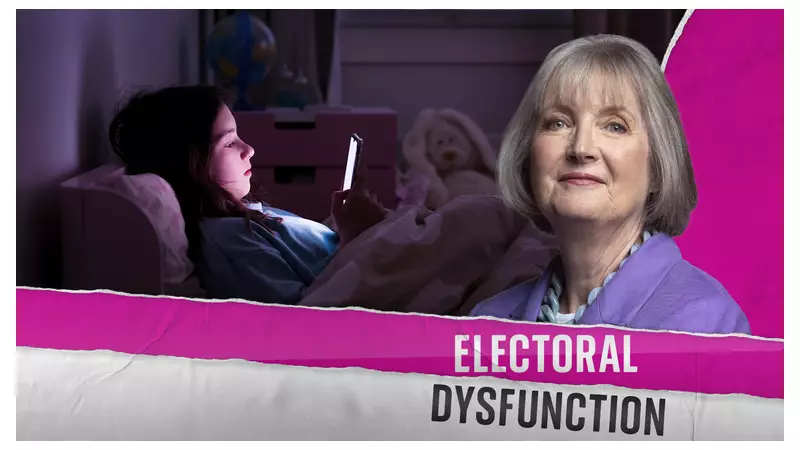
Labour peer Harriet Harman has launched a scathing critique of the government's proposed social media ban for children under 16, describing the entire policy framework as a "shambles" that lacks coherence and practical workability. In an exclusive interview on Sky News' Electoral Dysfunction podcast with political editor Beth Rigby, Harman expressed deep scepticism about the viability of such a ban, which has gained support in the House of Lords but still requires approval from MPs to become law.
Unworkable Ban and Legislative Confusion
Harman highlighted the government's intention to conduct a consultation before committing to any ban, but pointed to a tangled web of existing and proposed legislation that complicates the issue. She referenced the Online Harms Bill, the Crime and Policing Bill, the Data Use and Access Bill, and the Children's Wellbeing and Schools Bill—under which peers and some MPs are pushing for the social media prohibition to be enacted. "It's kind of a shambles, it's not coherent," Harman asserted, emphasising that without a clear and structured process, the government risks implementing a ban that ultimately fails to address the core problems.
She warned that hastily leaping to a ban could lead to the discovery that it doesn't work, forcing a pivot to alternative measures like tougher regulation of social media companies. "Meanwhile, people will think we've got this problem and the government is being ineffective, they're not acting appropriately. And that's because the process just does not fit the problem that we've got today," Harman explained, calling for the establishment of a dedicated House of Commons committee of MPs to properly scrutinise and develop a coherent strategy.

The 'Cliff Edge' Warning for Teenagers
A central concern raised by Harman is the potential creation of a "cliff edge" for children when they turn 16. She argued that without gradual exposure and education on how to navigate social media responsibly, teenagers could be suddenly thrust into the digital world unprepared. "You haven't had any sort of education through experience of how to use social media, and you're suddenly exposed to the big wide world with a cliff edge," she cautioned, suggesting that such an abrupt transition could exacerbate risks rather than mitigate them.
Furthermore, Harman acknowledged the beneficial aspects of social media, particularly for vulnerable young people. She noted that for many children, these platforms can combat isolation and help them find supportive communities, especially if they are dealing with specific issues like mental health challenges or identity concerns. "[Another issue] is that for a lot of kids, social media can combat isolation and can help them find their community if they've got a particular problem, and therefore it can have a beneficial effect of linking kids up together," she stated, highlighting the nuanced role social media plays in modern adolescence.
Counterarguments from the House of Lords
During the recent House of Lords debate on the proposed ban, Conservative peer Lord Nash, who championed the measure, countered Harman's concerns. He argued that the ban is not about creating a cliff edge but rather about providing teenagers with additional years to mature, enabling them to handle social media more effectively, distinguish fact from fiction, and exercise better judgement. On the topic of access to supportive communities, Lord Nash pointed to warnings from police specialists in child sexual abuse and radicalisation, who indicate that predators often target help forums for groups such as LGBTQ+ individuals, those with eating disorders, or ADHD, posing significant risks to children.
The debate underscores the complex and polarised nature of the issue, with strong arguments on both sides regarding the balance between protection and empowerment for young people in the digital age.