
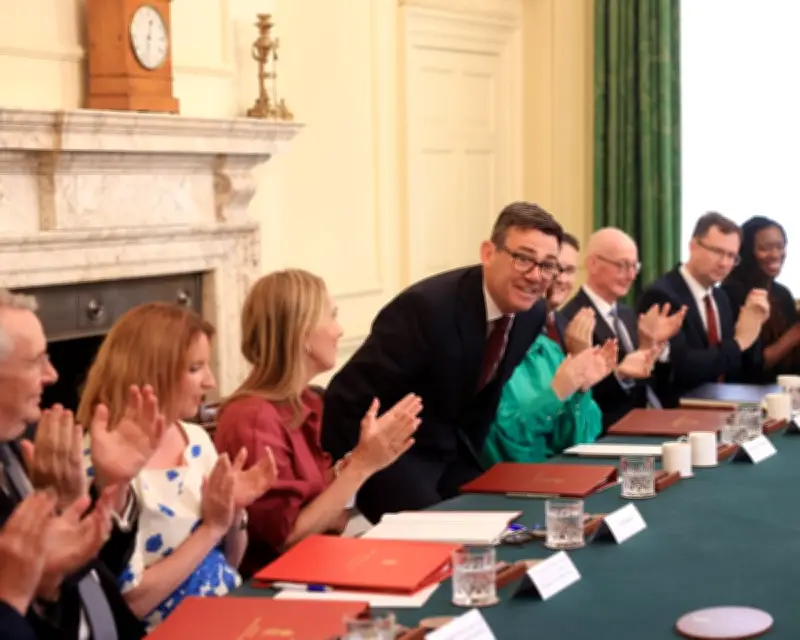
Andy Burnham is playing the long game in an age of short attention spans, according to Rafael Behr in a Guardian analysis. The new prime minister, who took office after a rapid ascent from mayor of Greater Manchester, now faces the daunting task of implementing a 10-year plan in a political culture defined by constant campaigning and instant gratification.
Burnham's Path to Power
After Labour's poor performance in local and devolved elections in May, a Burnham ally predicted a sequence of events that would bring him to No 10. A friendly MP would surrender a parliamentary seat, Keir Starmer would resign, and other contenders would yield. The plan worked, with the Makerfield byelection won by Labour thanks to the right candidate and a strong campaign. Burnham's victory generated momentum, and his personal brand proved stronger than the party logo.
Unlike Starmer, who was the frontman for the 2024 general election triumph but not its mastermind, Burnham is seen as the author of his own success. Starmer disliked campaigning, outsourced political organisation, and seemed unsure of his goals. Labour MPs find it reassuring to be led by a man who knows how to plan and enjoys politics.
Authenticity as Professional Performance
Burnham's native fluency in politics makes him a better communicator. His authenticity is not a natural gift but professional performance at the highest level, where personality fills the screen while calculation remains imperceptible. Nigel Farage is famously good at this, but Burnham's style is more ponderous because his words carry governing responsibility and face a mostly hostile press. Farage enjoys the levity of indifference to consequence, but recent scrutiny of his personal and party finances has turned his bonhomie to a snarl.
The attempt to shut down the inquiry by calling a byelection in Clacton, framing it as a plebiscite on his anti-establishment credentials, has backfired. Mainstream parties refusing to field candidates leaves Farage facing pantomime challengers in an empty arena, demeaning for a man whose influence depends on commanding attention.
The Challenge of Governing in a Campaign Frenzy
The Clacton circus captures the raw cynicism of Reform UK's political model, which feeds on antagonism and dreads accountability. Farage's career is sustained by perpetual campaign frenzy, denying government any pause for policy to bear fruit. This is why pragmatic incumbents struggle and ideological oppositions thrive in the digital age, where every day online is an angry referendum.
Burnham understands these constraints. He knows he must give people immediate breathing space on the cost of living, seen as a down payment on more profound improvements over time. He needs people to believe in his 10-year plan and that it's worth waiting to see if it works.
Risks and Internal Friction
Without a sudden economic bonanza, Burnham's hints of tax relief and universal social care point to zero-sum budgeting. Resources will shift between departments, pleasing one caucus while disappointing another. Labour's radical left is poised to denounce compromise as betrayal, and a small band of aggrieved Starmer loyalists will highlight missteps. Darren Jones, sacked from the Cabinet Office, quickly probed a budget hole in the prime minister's announcement of a VAT cut on energy bills, supposedly funded by scrapping the digital ID scheme. Such friction could slow the Burnham bandwagon.
The new leader needs a united party to revive confidence that Labour can fulfill everyday aspirations. Harder still, he must restore faith in democratic politics, generating patience in an intemperate age. He must stretch his honeymoon goodwill to cover a period when things will not feel much better. In an era of relentless campaign mania, Burnham must earn trust and hold voters' gaze while deferring gratification. It sounds improbable but at least feasible.




