
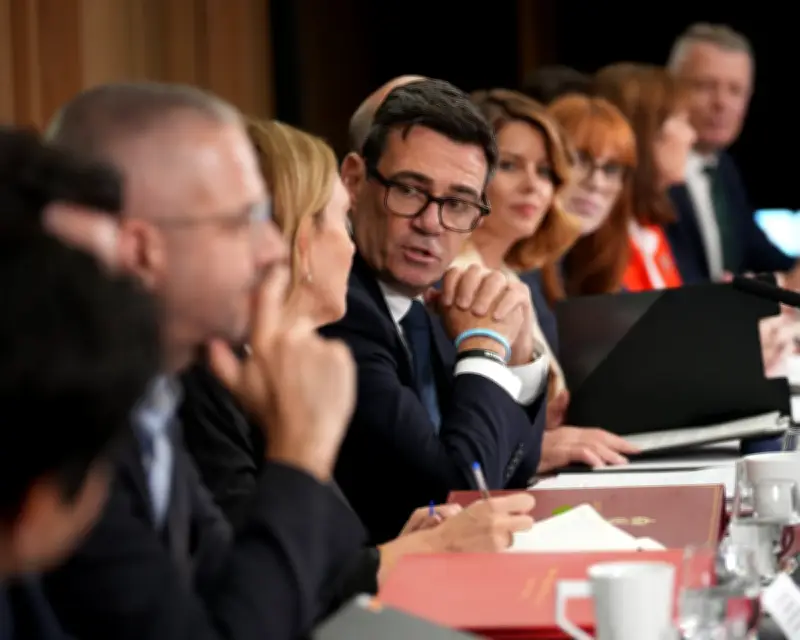
Andy Burnham has used his first week as prime minister to challenge the political orthodoxy that certain problems are too big to solve, framing issues like rough sleeping and social care as political choices rather than inevitabilities. In his first email to Labour members, he stated: "This is something a government can fix if it chooses to, and today, on day one, I'm choosing to."
Breaking the cycle of fatalism
Burnham's approach marks a sharp departure from his predecessor Keir Starmer, who responded to crises with what critics describe as futile pessimism. By insisting that change is possible, Burnham risks opening a window that is hard to close. Unequal capitalist societies survive on the premise that certain hardships are inevitable, but Burnham's rhetoric suggests otherwise, potentially spurring public demand for redistribution of wealth and power.
Political backlash and disinformation
Pushback has already begun. The Daily Mail accused Burnham of backing a "death tax" before any social care reforms were announced. Conservative shadow chancellor Mel Stride claimed Burnham wants to "go back to the 1970s," linking cheaper bus travel to economic disruption. Such criticism feeds into public cynicism, which has been deepened by years of expenses scandals, Brexit promises, and Covid parties. Disinformation, both overt lies and subtle rhetoric, undermines credibility when leaders propose policies to improve ordinary lives.
Funding questions and double standards
Before Burnham made any substantive spending commitments, cries of "How will he pay for that?" dominated. Reform and the Tories oppose any tax rises for social care. However, this question is rarely levelled at the right with the same energy, despite Conservative financial mismanagement on Brexit, Covid PPE contracts, and austerity. Short-term spending on social welfare often yields long-term savings. For example, ending homelessness would cost £9.9bn over 10 years but save £26.4bn by reducing pressures on the NHS, criminal justice system, and benefits, according to a 2018 analysis for Crisis.
Risks of overpromising and cabinet concerns
Burnham's chatty communication style and lack of a clear policy platform risk overpromising. He has already faced accusations of U-turns on rent controls and income tax thresholds. Progressives are alarmed by cabinet picks, including keeping Shabana Mahmood as home secretary, signalling continued hardline immigration, and appointing John Healey as chancellor, which could prioritise military spending. The left fears Burnham won't fulfil his promises, while the right fears he will.
Public demand for change versus distrust
Polling by Ipsos shows 83% of British adults want significant reform to tackle cost of living pressures, with 51% stating radical change is necessary. Yet six in 10 are not confident any major party has a good plan for change. This paradox highlights public desperation for change but deep distrust in politicians. Burnham's greatest task is convincing the public that something better is possible, avoiding the trap Starmer fell into: having power but not grasping the chance to use it.




