Labour's Strategic Dilemma in Manchester's Political Battleground
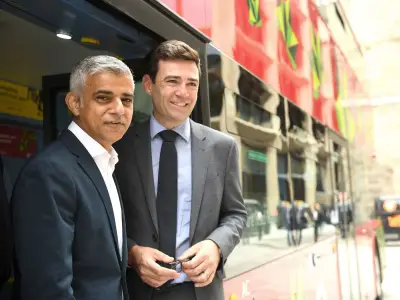
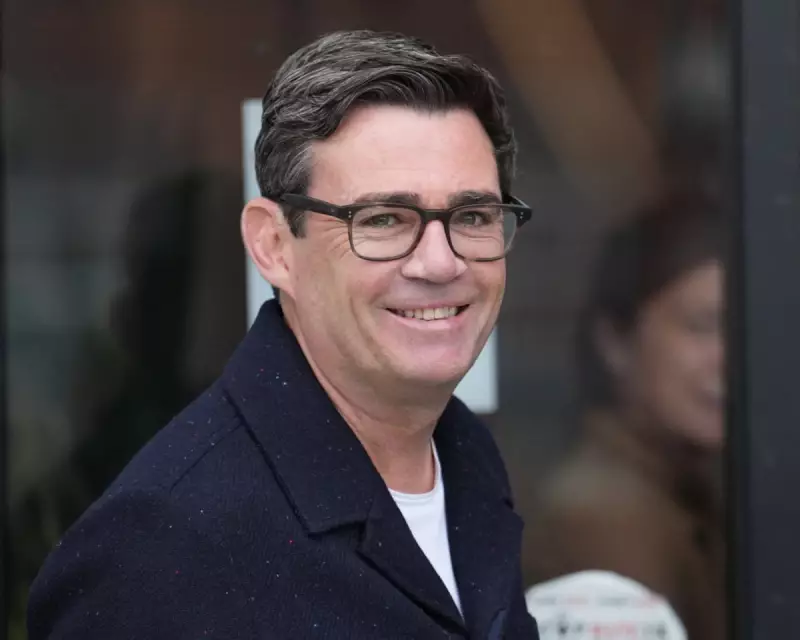
New polling analysis reveals a stark political reality for Labour in Greater Manchester. The party's decision to prevent Andy Burnham from returning to Westminster has transformed what was already a challenging byelection into a significantly more difficult contest. This strategic move, executed by Keir Starmer's allies, has deprived Labour of their most potent candidate in the newly formed Gorton and Denton constituency.
The Burnham Factor and Electoral Mathematics
When Labour figures gathered recently in Liverpool, the question of leadership direction dominated discussions. The subsequent blocking of Burnham's Westminster return has intensified these debates, with many viewing the decision as an attempt to protect the prime minister as the party navigates turbulent political waters. Polling data from Britain Elects suggests that what analysts term "brand Burnham" could have provided Labour with a crucial advantage.
According to Ben Walker of Britain Elects, Burnham's candidacy combined with tactical voting patterns would have positioned Labour four points ahead of Reform UK in Gorton and Denton. Nationally, Burnham's presence is estimated to bring an additional five to seven percentage points to Labour's electoral performance. Without this advantage, the contest becomes markedly more competitive.

Constituency Dynamics and Political Fragmentation
The diverse south-east Manchester seat presents a complex electoral landscape. Home to approximately 119,000 residents, it encompasses left-leaning young professionals in Levenshulme, white working-class Reform UK supporters in Denton, and a significant Muslim population comprising 28% of constituents around Rusholme and Gorton. This demographic diversity creates multiple political pressure points.
Although technically a new constituency resulting from boundary changes, Gorton and Denton incorporates three areas with decades-long Labour voting histories. Gorton alone has elected Labour MPs since the reign of George V. However, recent developments have tarnished Labour's local reputation, including former minister Andrew Gwynne's suspension over leaked WhatsApp messages that implicated several local councillors.
Multi-Directional Political Pressures
Professor Rob Ford of the University of Manchester observes that dissatisfied Labour voters are likely to split in two distinct directions nationally - toward Reform UK and the Greens. This fragmentation creates particular challenges in Gorton and Denton, where Labour faces pressure from multiple angles.
To the political right, Reform UK plans to frame the byelection as a referendum on the government and Keir Starmer specifically. With Nigel Farage's party maintaining an eight-point lead in national polling averages and the prime minister's popularity declining since the general election, this represents a substantial threat.
From the left, Labour faces challenges from the Greens and potential Gaza-focused candidates, whether independent, aligned with Jeremy Corbyn's Your Party, or even veteran politician George Galloway, who has hinted at another political comeback. In the 2024 election, the Greens and Liberal Democrats together secured 17% of the vote in the area, representing a significant bloc that could be mobilized through tactical voting.
Timing Uncertainties and Strategic Calculations
The government has yet to announce a date for the byelection, though it is expected before 7 May. This timing coincides with Labour's anticipated difficult results in devolved elections in Wales and Scotland, plus council elections across England. Holding the byelection simultaneously would potentially bury any Labour loss within broader election coverage, while an earlier date would separate Gorton and Denton from the national political narrative.

Neither option appears particularly favourable for Labour. What remains clear is that the decision to contest this crucial seat without their most popular politician has transformed an already difficult byelection into what many analysts consider a significantly harder challenge. The absence of Burnham's star power in a constituency where he remains highly popular within Greater Manchester creates a vacuum that Labour must now fill through other means, as they navigate complex local dynamics and national political headwinds.