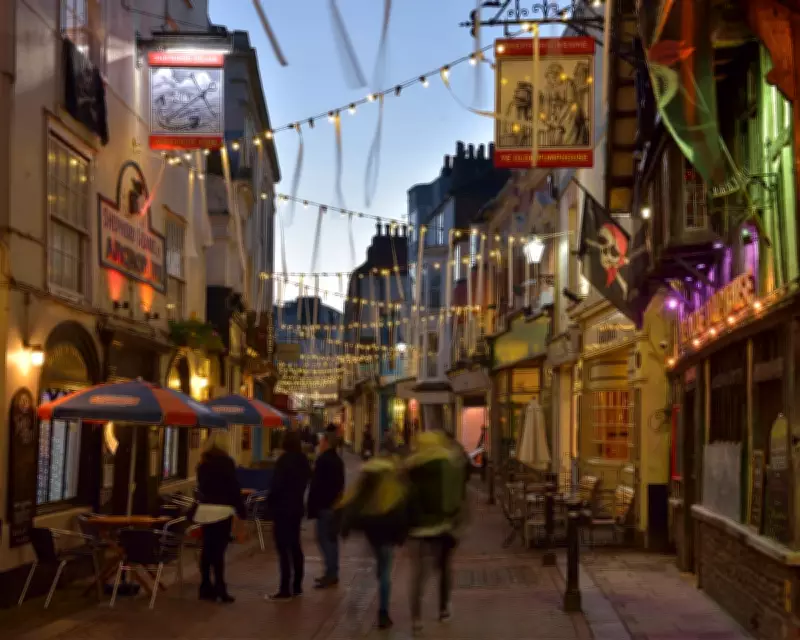
The familiar adage that 'a high street without a pub is dead' resonates deeply in towns like Hastings, East Sussex, where inns on George Street stand as local landmarks. This sentiment underscores a critical political lesson that progressives must urgently grasp: British pubs are not merely hospitality venues but essential social institutions.
The Political Spotlight on Pubs
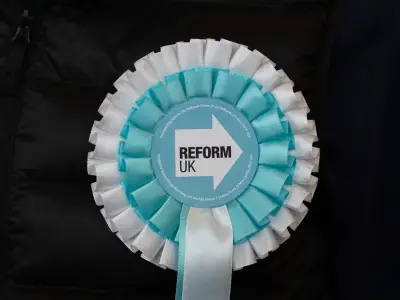
Politics has often underestimated the significance of the local pub, but the hard right has seized upon its importance. Nigel Farage, for instance, has proposed redirecting £3 billion from child benefits to subsidise beer prices in pubs, a move framed as fiscal responsibility. While his announcement in a pub rather than a fast-food chain was clearly for effect, it highlights a broader truth: pubs are symbolic of community vitality.
Farage's rhetoric, which includes cutting VAT on pubs to 10%, extends to the entire hospitality sector, yet it singles out pubs for special mention. This focus is telling, as the government's handling of high streets has led to widespread devastation. Higher taxes on jobs, increased minimum wages, the end of rates relief, and soaring energy bills have crippled small retail businesses. The easing of change-of-use from pubs to housing has exacerbated the crisis, creating a perfect storm for establishments like the old Bull and Bush.
A National Tragedy Unfolding
Since 2000, Britain has lost a quarter of its pubs, with closures occurring at a rate of one per day in England and Wales. This decline represents a real tragedy, as pubs serve as unique local hubs. Unlike ordinary shops or cafes, a pub is often the most historic and well-known building after the church, with walls that can function as a local museum. The bar welcomes all adults, rich and poor, friend and foe, gregarious and lonely, providing a space for social interaction, television viewing, or simply passing the time.
For many elderly individuals, pubs act as informal day centres, offering companionship and refuge. Since the Covid-19 pandemic, pubs have been allowed to spill into streets, becoming centres of neighbourhood activity. In central London, for example, a local pub once hosted morris dancers, causing delightful chaos. These roles are rarely documented in planning documents, yet they are integral to community cohesion.
Pubs as Social Institutions
Pubs are not just hospitality outlets; they are vital social institutions that foster communal continuity. The proprietor is often a well-known local character, and the building provides security and refuge. This social function is why Rachel Reeves's initial attack on pubs, despite a minor U-turn, has been criticised as an act of social debilitation. Farage was correct to draw attention to their importance, as pubs parallel the historical role of parish churches as places of local resort and comfort.
While some churches still offer support, they often operate on the fringes compared to pubs. Given that church buildings are mostly protected from demolition, a future where pubs and churches merge could create a unified community architecture. The prime minister's recent announcement of an £800 million extension to the £5 billion Pride in Place scheme aims to boost communities, particularly those where Reform UK is gaining strength, but its effectiveness remains to be seen.
Proposals for Revival
One innovative proposal involves transforming ailing retail and hospitality sites into not-for-profit social enterprises. This sector is expanding, with approximately 130,000 social enterprises already operating across Britain. Examples include the village shop in Ambridge from The Archers and the famous Plough pub in Fadmoor on the North York Moors. Every village could benefit from such enterprises, but they require active community involvement, not just political fear of pro-Reform sentiments.
When Keir Starmer came to power, he pledged to devolve power to communities, promising them 'a right to request more powers.' However, like many predecessors, he has done the opposite by stripping local communities of discretion over housing and planning, an act of ultimate centralism. If Starmer intends to reverse this, it would be a positive step, potentially relieving high streets of bureaucratic burdens from new employment acts.
The Blood of Communities
The essence of communities lies in local institutions that bring people together for purposes beyond mere financial gain. Pubs are a prime example of such institutions, and their preservation is crucial. As politics descends to populist levels, the blood is being drained from communities through the neglect of these vital hubs. Saving the pub is not just about preserving heritage; it is about sustaining the social fabric that binds British society together.
In summary, the debate over pubs transcends tax policies and benefits cuts, touching on deeper issues of community, heritage, and social cohesion. As Britain grapples with high street decline, recognising the indispensable role of pubs could be key to revitalising neighbourhoods and fostering a sense of belonging.