Badenoch's PMQs Performance Draws Criticism Over Trump Alignment
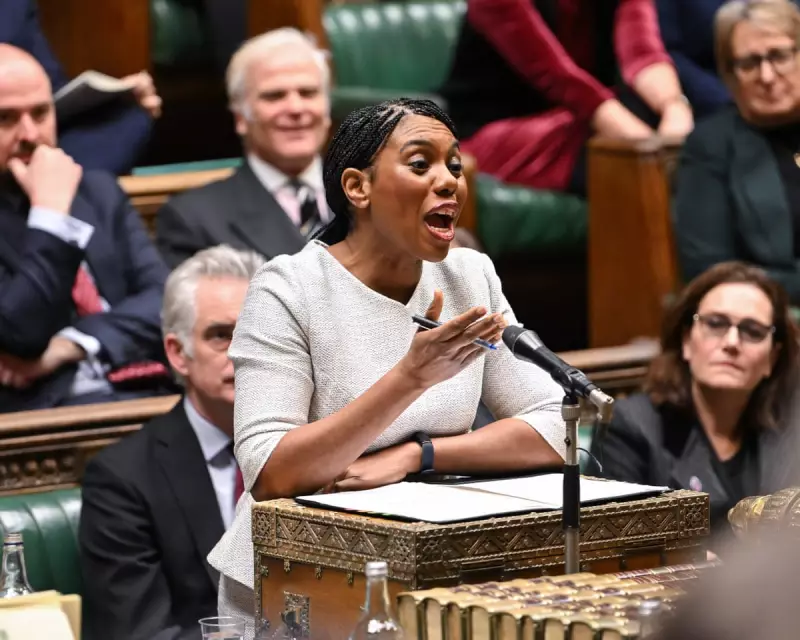
In a recent session of Prime Minister's Questions, Kemi Badenoch, the Conservative leader, found herself under fire for what critics described as a politically motivated attack on Labour leader Keir Starmer. Rather than focusing on substantive policy debates, Badenoch chose to side with former US President Donald Trump on the contentious issue of the Chagos Islands, a move that has sparked widespread debate about her judgment and priorities.
A Shift from Bipartisanship to Partisan Point-Scoring
Historically, leaders of the opposition have at times set aside party politics during PMQs to address critical national issues, such as during the Ukraine war when Starmer backed Boris Johnson's support for Volodymyr Zelenskyy. This approach demonstrated a commitment to the national interest over partisan gains. However, Badenoch's latest intervention marked a departure from this tradition, as she seized the opportunity to score political points against Starmer.
Initially, Badenoch started on a conciliatory note, agreeing with Starmer that the future of Greenland should be determined by its people and Denmark. Yet, she quickly pivoted to a more confrontational stance, questioning why Starmer did not extend the same principle of self-determination to the Chagossians. This line of attack was bolstered by referencing Trump's recent criticism of the UK government's deal with Mauritius regarding the islands.

The Trump Factor: A Risky Political Gamble
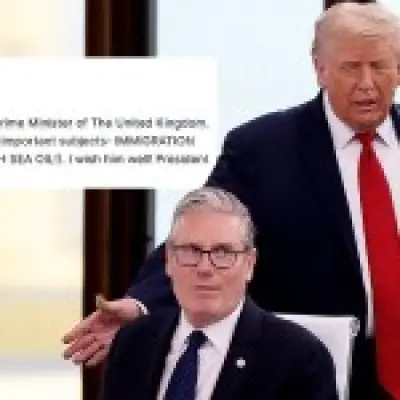
By aligning herself with Trump's position, Badenoch entered dangerous political territory. Trump's views on the Chagos Islands have been inconsistent; just nine months prior, he had expressed support for the UK's deal, only to reverse his stance later. This inconsistency highlights the risks of hitching one's political wagon to a figure known for erratic policy shifts. Badenoch's reliance on Trump's endorsement raised red flags, as it suggested a lack of thorough research or consideration of the long-term implications.
Moreover, the Tory party has not historically championed the self-determination of the Chagossians as a core policy over the past five decades, making Badenoch's sudden emphasis on the issue appear opportunistic. Critics argued that her stance was not grounded in a coherent strategy but rather designed to appeal to backbenchers with a catchy soundbite, ignoring practical realities such as the uninhabitable nature of most Chagos Islands and the US military presence on Diego Garcia.
Starmer's Counterattack and the Fallout
Keir Starmer did not hold back in his response, condemning Badenoch's approach as indicative of the low level of debate he has come to expect from the opposition. He pointed out that by backing Trump, Badenoch was supporting a president whose actions threaten NATO and European stability, all for the sake of a quick political jab at PMQs. Starmer emphasized that while engaging with Trump is necessary for international relations, particularly in the context of the ongoing Russia-Ukraine war, there must be clear red lines, such as upholding principles on Greenland.
For the remainder of the session, Badenoch struggled to regain her footing. Attempts to shift focus to other issues, like China's embassy activities, fell flat as Starmer highlighted her past missteps, including her support for Liz Truss's budget and the ongoing defections from her party. A particularly pointed exchange involved Badenoch claiming to have expelled Robert Jenrick, only for Starmer to question the timing relative to correcting typos in his defection speech, leaving Badenoch visibly deflated.
Broader Implications for Political Discourse
This episode underscores a growing trend in UK politics where short-term political gains are prioritised over substantive debate. Badenoch's actions reflect a broader strategy among some politicians to leverage controversial figures like Trump for domestic advantage, potentially at the cost of national credibility. Meanwhile, figures like Nigel Farage, who was absent from the session due to commitments in Davos, continue to blur the lines between politics and personal profit, echoing Trump's approach to cashing in on political careers.

As PMQs concluded, it was clear that Badenoch's attempt to use the Chagos issue as a wedge against Starmer had backfired, raising questions about her leadership and the Conservative party's direction. In an era where global challenges demand unity and careful judgment, such partisan manoeuvres may only serve to deepen political divisions and undermine public trust.