In a stark assessment of international relations, journalist Zoe Daniel declares that the fundamental trust underpinning the global order has been shattered. She contends that with Donald Trump at the helm, the United States can no longer be considered a dependable partner, creating a precarious situation for nations worldwide.
The Erosion of Trust and Alliance
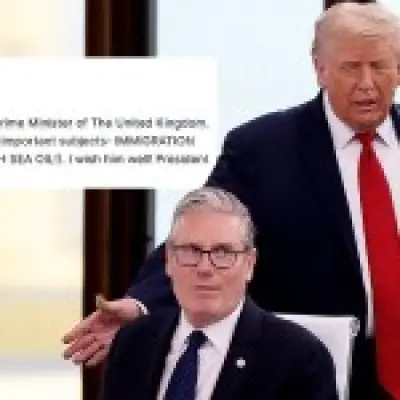
Daniel points to recent events as clear evidence of this breakdown. She highlights how French President Emmanuel Macron, echoing a line from the film Love Actually, publicly labelled Trump a bully during the World Economic Forum in Davos. This confrontation stemmed from Trump's leaked tactics regarding Greenland, where he threatened tariffs against several European nations to assert American dominance, only to later withdraw the threats citing a vague NATO deal.
This episode, Daniel argues, exemplifies a disturbing pattern. Trump's actions demonstrate a willingness to disregard established rules, protocols, and ethical considerations to provoke reactions and showcase power. The question posed is stark: if Trump had escalated the Greenland situation militarily or economically, who could have effectively intervened to stop him?

Implications for Australia and Middle Powers
The ramifications of this shifting landscape are profoundly felt in Australia. Daniel emphasises that the erosion of the Atlantic alliance, which has maintained peace in Western Europe for decades, is not a distant issue but a direct threat. With the US, Australia's closest ally, acting unpredictably and undermining alliances, the nation finds itself in a vulnerable position.
Australia's defence, security, and economic systems are deeply intertwined with America's, making disentanglement a near-impossible task. The value of key agreements like AUKUS is called into question, especially as Trump casually dismisses critical components of NATO, such as Article 5. This leaves Australia potentially more exposed as a target while investing billions into an uncertain partnership.
A Call for Collective Action
Daniel cites Canadian Prime Minister Mark Carney's Davos speech, which warned that the old global order is gone and will not return. Carney urged middle powers to unite, stating that if they are not actively shaping decisions, they risk becoming marginalised or exploited. He exemplified this by pursuing a trade deal with China, adopting a pragmatic approach to the world as it is, rather than as one might wish it to be.
The message is clear: relying on hope or past friendships is no longer a viable strategy. Comments from figures like Steve Bannon, who suggested Australia's COVID-19 response damaged its image among Trump supporters, underscore that traditional mateship cannot be counted on in this new era. Australia, Daniel concludes, is effectively marooned, forced to navigate a world where trust in its principal ally has evaporated and the rules-based system is in tatters.
Zoe Daniel, drawing on her experience as a former ABC foreign correspondent and independent MP, calls for a realistic reassessment of global dynamics. She stresses that middle powers must collaborate to protect their interests in a landscape where unilateral actions by major players like the US under Trump have become the unsettling new normal.