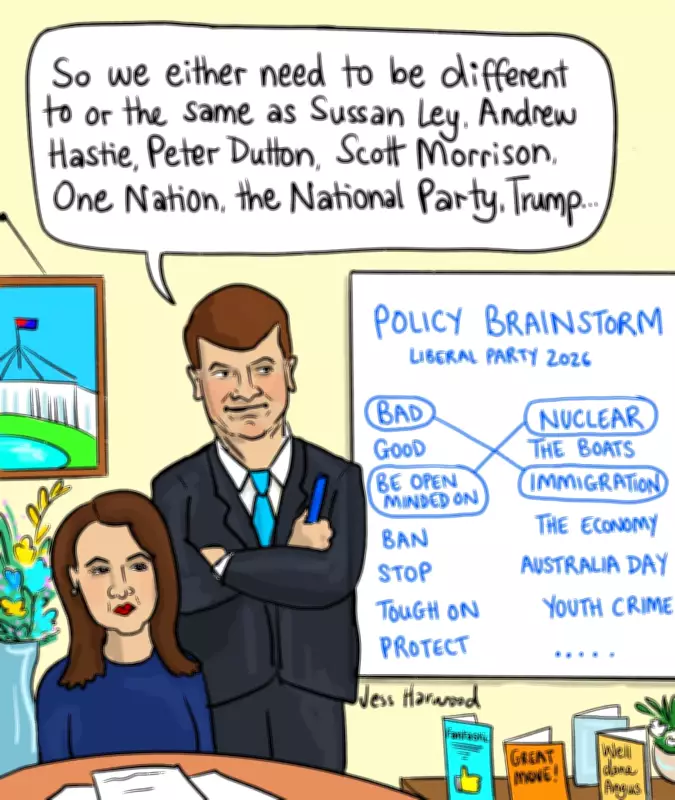
Angus Taylor Takes the Helm: A Critical Juncture for the Liberal Party
The appointment of Angus Taylor as the new leader of the Liberal Party marks a pivotal moment in British politics, sparking intense speculation about the party's trajectory. With the political landscape still reeling from the aftermath of Brexit and shifting public sentiments, Taylor's leadership is poised to redefine the Liberal Party's identity and electoral appeal. This transition comes at a time when the party faces mounting pressure to address internal divisions and external challenges, making his strategic choices crucial for its survival and growth.
Navigating Ideological Crossroads: Centrism vs. Conservatism
Political observers are closely monitoring whether Angus Taylor will guide the Liberal Party toward a centrist, pragmatic approach or a more conservative, ideologically driven stance. Historically, the party has oscillated between these poles, but Taylor's background in economic policy and his previous roles suggest a potential tilt toward fiscal conservatism. However, in an era marked by calls for social inclusivity and environmental action, he may need to balance this with progressive elements to attract a broader voter base. The decision could influence key policy areas such as immigration, healthcare, and climate change, shaping the party's platform for upcoming elections.
Electoral Strategy and Coalition Building
Under Angus Taylor's leadership, the Liberal Party must reassess its electoral strategy to compete effectively against dominant rivals like the Conservatives and Labour. Analysts predict that Taylor might focus on targeting swing constituencies and leveraging his economic expertise to appeal to middle-class voters. Additionally, building coalitions with smaller parties or interest groups could be essential for gaining parliamentary influence. The success of this strategy will depend on his ability to unify party factions and communicate a clear, compelling vision to the public.

- Addressing internal party divisions and fostering unity among members with diverse viewpoints.
- Developing a coherent policy agenda that resonates with both traditional supporters and new demographics.
- Navigating the complex post-Brexit political environment and its implications for trade and diplomacy.
- Enhancing the party's digital presence and grassroots campaigning to engage younger voters.
Impact on National Politics and Public Perception
The direction Angus Taylor sets for the Liberal Party will have far-reaching consequences for national politics, potentially altering the balance of power in Westminster. If he steers the party toward a more centrist path, it could position the Liberals as a viable alternative for disillusioned voters from both major parties. Conversely, a shift to the right might consolidate a conservative base but risk alienating moderate supporters. Public perception of Taylor's leadership will be shaped by his early decisions, media interactions, and ability to deliver on campaign promises.