
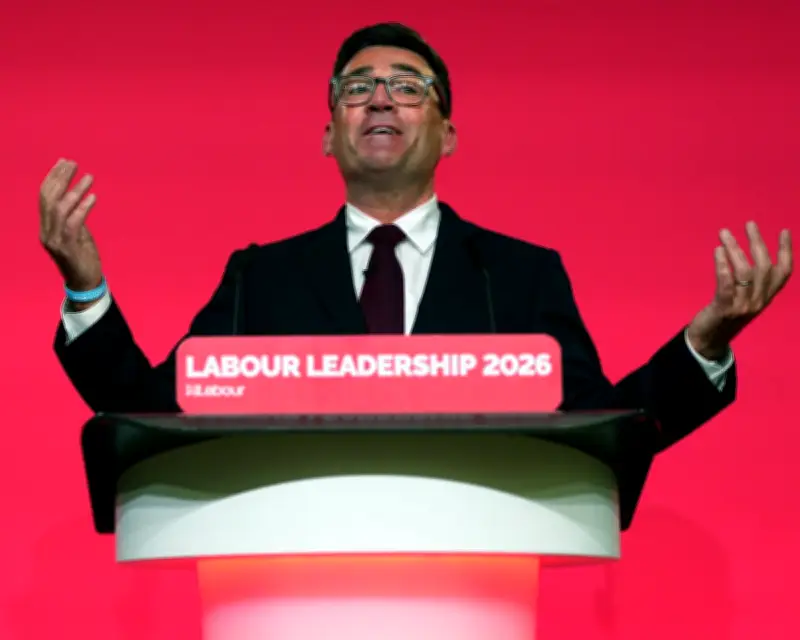
Andy Burnham has been confirmed as Britain's prime minister after being the only Labour MP to secure enough nominations following Keir Starmer's resignation. The transition, described in the UK as a coronation, followed a meticulous campaign by Burnham, who moved from mayor of Greater Manchester to the House of Commons via a byelection in Makerfield.
Labour's Desperate Move
Burnham's rise reflects Labour's electoral freefall. After a decisive victory two years ago under Starmer, Labour's voting support plummeted from above 30% to 17% in spring 2025. Nigel Farage's Reform UK has led in polls since May 2025, becoming the ascendant force in British politics. Burnham now faces the same challenges as his predecessor: halting populist nationalism and reviving centre-left politics.
Different Style, Same Substance?
Burnham is a more natural politician than Starmer, unafraid to flaunt his northern authenticity. He has already struck a hopeful tone, promising 'a new era of possibility for Britain.' However, speaking of hope and delivering change are different. As PM, Burnham must generate economic growth and fix Britain's cracking foundations. Questions remain whether his premiership will mark a departure from Starmer or be more of the same with a charismatic face.
Populist Setbacks
Burnham enters Downing Street as populist forces stumble. Farage faced scrutiny over donations from a cryptocurrency billionaire and a convicted criminal, leading him to resign his seat and trigger a byelection in Clacton. Meanwhile, Pauline Hanson's credibility suffered after her call for a 'monocultural Australia' and appearance with extremist Stephen Yaxley-Lennon. These developments suggest no inevitability of populist victories, but countering the challenge requires a reset: leadership that reconnects with people, provides a vision, and delivers for an impatient public.
Australian Lessons
Australian Labor faces a similar test, with Pauline Hanson's One Nation gaining support over cost of living and housing affordability. Starmer's collapse shows how a commanding majority can quickly disappear. According to Tim Soutphommasane, a political theorist at Oxford University, the Burnham approach seeks to appeal to hope rather than grievance, but must be backed by vision and program. Whether British Labour has acted in time remains to be seen.




