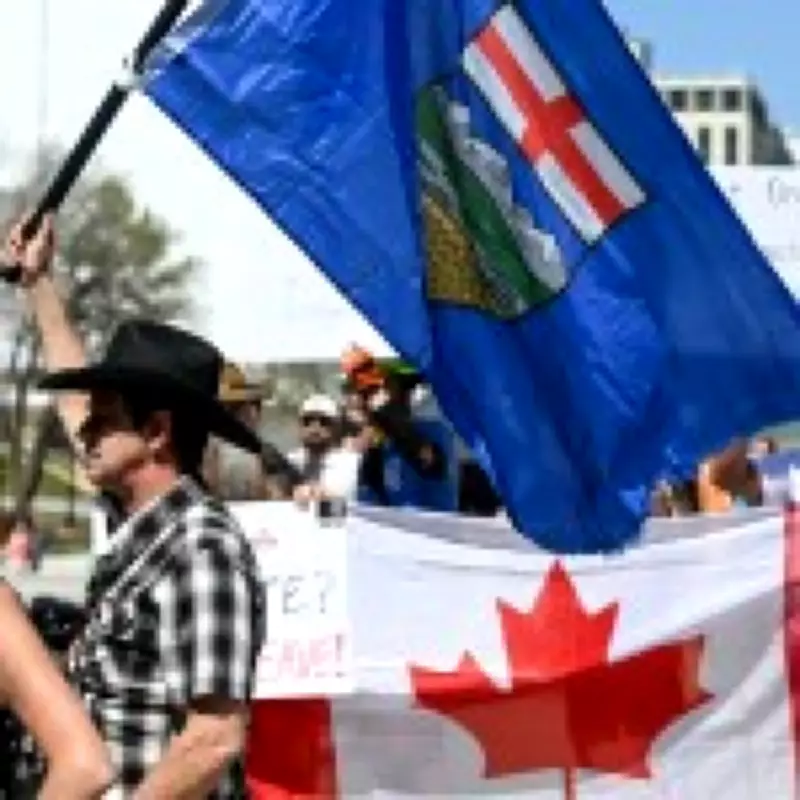
Albertans are set to vote in a historic referendum on whether to remain part of Canada, posing a major challenge for Prime Minister Mark Carney. On May 21, an Alberta legislative committee recommended proceeding with the vote after a citizen-led petition for separation gathered over 300,000 signatures, surpassing the required 178,000 under provincial law. In contrast, a counter-petition calling for Alberta to stay in Canada amassed more than 400,000 signatures, and opinion polls indicate that about two-thirds of the province's voters oppose secession.
Background of the Secession Movement
A restive independence movement has been active in Alberta for months, gaining significant media attention after the 2025 federal election, when separatists campaigned prominently. In early 2026, Elections Alberta approved the petition, paving the way for a referendum. The October 19, 2026 ballot will mark the first time a Canadian province outside Quebec has put the question of separation to a public vote.
Why Some Albertans Want to Secede
Secessionist sentiment in Alberta, a province of about five million people, has existed for years but only recently entered the mainstream. Supporters cite cultural differences, believing Alberta is distinct from the rest of Canada. Economic grievances also play a key role: many feel the taxes they pay are disproportionately used to fund social programs in poorer provinces, stifling their earning potential. Additionally, federal climate change policies and environmental regulations are seen as hindering Alberta's oil and gas industry, a cornerstone of its economy. Critics argue that former Prime Minister Justin Trudeau's policies harmed Albertans' income.

Leaders' Positions on the Referendum
Prime Minister Mark Carney, elected in March 2025, opposes separation. He stated, "My view is very much that the best place for Alberta is in Canada, a Canada that works." Carney, who was raised in Alberta, emphasized his pride in the province. Conservative opposition leader Pierre Poilievre also advocates for unity, vowing to campaign for Alberta to remain. "I stand for a united country, and we're going to campaign every day and every way to unite this country around hope," he said.
Details of the Vote
The referendum will take place on October 19, 2026. Premier Danielle Smith announced in February that Albertans would vote on nine questions: five non-constitutional issues (including immigration and election security) and four constitutional matters about Alberta's relationship with the federal government. On May 21, Smith added a tenth question on whether Alberta should remain in Canada or pursue separation. Smith personally supports remaining in Canada but criticized legal challenges to the referendum. Last week, a provincial court ruled in favor of a First Nations bid to halt the petition, calling it "unconstitutional." Smith promised to appeal, arguing the ruling infringed on citizens' democratic rights.
Historical Context
This is not the first secession vote in Canada. Quebec held two referendums on independence, with the 1995 vote narrowly failing: 49.42% voted "yes" and 50.58% "no." Alberta's referendum marks a new chapter in Canadian unity debates.