Albanese Draws Reality TV Parallel as Coalition Descends into Turmoil
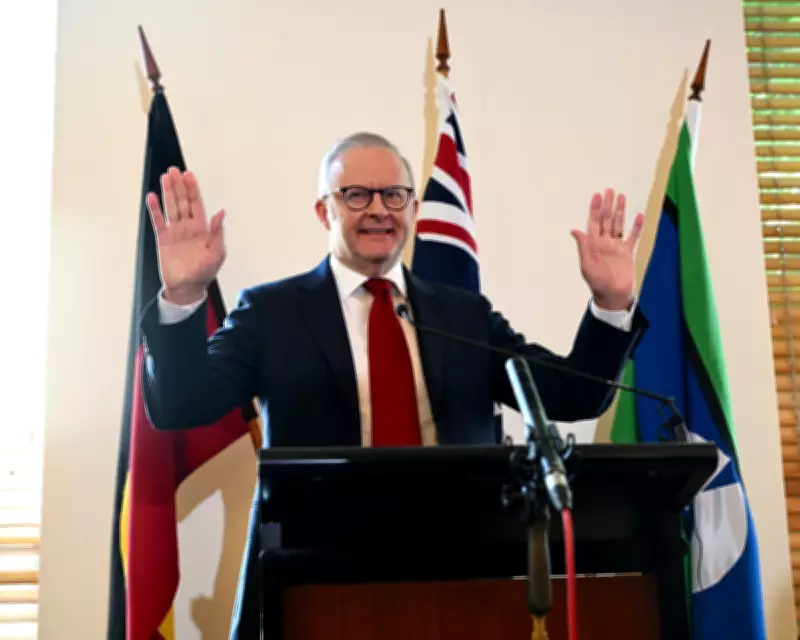
Prime Minister Anthony Albanese addressed the Labor caucus on Monday, where he compared the disorganisation within the Coalition to a dramatic and messy break-up on the popular reality television show Married at First Sight. This colourful analogy came as Labor MPs openly celebrated the internal strife plaguing their political opponents, with the Nationals debating a leadership spill and Deputy Liberal Leader Sussan Ley appearing to be on borrowed time.
A Moment of Political Glee Amidst Looming Challenges
While the government can afford a brief moment of schadenfreude, the road to the next election—anticipated for early 2028—is fraught with significant hurdles. Despite commanding a robust 94-seat majority and a stable cabinet, Albanese's administration must navigate a complex landscape of ten critical challenges that will define its success and shape Australia's future.
The immediate political theatre is overshadowed by Tuesday's Reserve Bank cash rate decision, with the Liberals poised to blame the government for an expected interest rate hike as cost-of-living pressures intensify. Taming persistent inflation and returning it to the target range of 2% to 3% stands as a make-or-break economic test for Labor.

Key Policy Battles on the Horizon
Beyond economic management, the government faces a multifaceted array of policy dilemmas:
- Emissions Reduction: Labor is under pressure to meet its ambitious 43% emissions reduction target by 2030, requiring a dramatic acceleration in renewable energy adoption. The even more daunting goal of cutting emissions by 62% to 70% by 2035 necessitates a fundamental reorientation of the nation's energy system, all while household energy bills continue to rise.
- Budgetary Constraints: Treasurer Jim Chalmers is crafting the May budget amidst looming major expenditures, including Albanese's vision for universal childcare. Controlling the growth of the National Disability Insurance Scheme and aged care spending is paramount, with national cabinet recently agreeing to trim NDIS growth from 9.5% to between 5% and 6%, though the path to achieving these savings remains unclear.
- Foreign Policy Navigation: Managing Australia's relationships with global powers presents a delicate balancing act. While Donald Trump has endorsed the Aukus nuclear agreement, Albanese must contend with the erratic US president's unpredictable whims. Simultaneously, the relationship with China grows increasingly complex amid geopolitical realignments and tensions over Taiwan.
Internal and Social Challenges Loom Large
The government also confronts issues of its own making and longstanding social inequities:
- Growing discontent within Labor ranks over the failure to address sports betting advertising.
- Plans by Special Minister of State Don Farrell to expand parliament, responding to a population increase of 11 million people over four decades.
- The disappearance of Indigenous issues from the political agenda following the Voice to Parliament referendum, with Albanese's promised comprehensive economic policy for First Nations communities yet to materialise.
The Technological Revolution and Political Reality
Perhaps the most profound challenge comes from artificial intelligence, which threatens to reshape work, undermine information ecosystems, and test the foundations of democratic institutions. As Albanese warned that Labor's opponents risk falling victim to their own drama and dishonesty, he must ensure his government avoids complacency in facing these monumental tasks.
The political landscape may currently resemble reality television theatrics, but the substantive challenges ahead demand serious governance and strategic foresight from an administration entering the delivery phase of its second term.