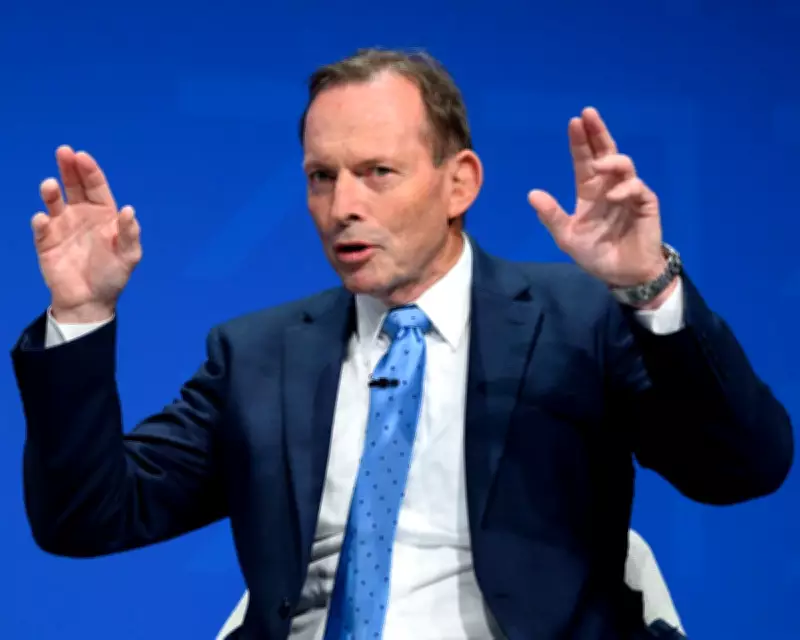
Tony Abbott Condemns Chief Justice Over Harbour Bridge Judge Comments
Former Australian Prime Minister Tony Abbott has launched a public rebuke of Chief Justice Susan Kiefel, following her recent remarks concerning a judge involved in the high-profile Harbour Bridge case. The criticism has ignited a fierce debate within legal and political circles, raising questions about the boundaries of judicial commentary and executive interference.
Abbott's Stinging Critique of Judicial Remarks
In a strongly worded statement, Abbott accused Chief Justice Kiefel of overstepping her role by commenting on the judge's handling of the Harbour Bridge matter. He argued that such public statements could undermine the perceived independence of the judiciary, a cornerstone of Australia's democratic system. Abbott, known for his conservative stance, emphasised the importance of maintaining a clear separation between the judiciary and other branches of government to preserve public trust.
Background of the Harbour Bridge Case and Judicial Involvement
The Harbour Bridge case, which has garnered significant media attention, involves complex legal issues related to property rights and public infrastructure. The judge in question presided over key aspects of the litigation, making rulings that have been both praised and contested. Chief Justice Kiefel's comments, made in a recent speech, were interpreted by some as a subtle critique of the judge's approach, though she did not name individuals directly.

Reactions from Legal Experts and Political Figures
Legal experts have expressed mixed reactions to Abbott's criticism. Some support his view, cautioning that public commentary from senior judicial figures might create perceptions of bias or influence. Others defend Chief Justice Kiefel, noting that her remarks were part of a broader discussion on judicial conduct and were not intended to target specific cases or judges. Political figures from various parties have weighed in, with some echoing Abbott's concerns about judicial independence, while others accuse him of politicising the issue for ideological gain.
Implications for Judicial Independence in Australia
This incident highlights ongoing tensions between the judiciary and political spheres in Australia. Critics argue that Abbott's intervention risks eroding the judiciary's autonomy, potentially chilling open discourse within the legal community. Supporters, however, contend that holding judicial leaders accountable for their public statements is essential for transparency. The debate underscores the delicate balance required to uphold judicial independence while ensuring accountability in a democratic society.
Looking Ahead: Potential Ramifications and Broader Context
The fallout from Abbott's criticism may influence future interactions between politicians and the judiciary in Australia. It could lead to calls for clearer guidelines on public statements by judicial officers or spark legislative reviews. In a broader context, this episode reflects global concerns about the politicisation of legal systems and the challenges of maintaining judicial integrity in an era of heightened public scrutiny. As the discussion evolves, stakeholders will likely monitor how this affects public confidence in Australia's legal institutions.