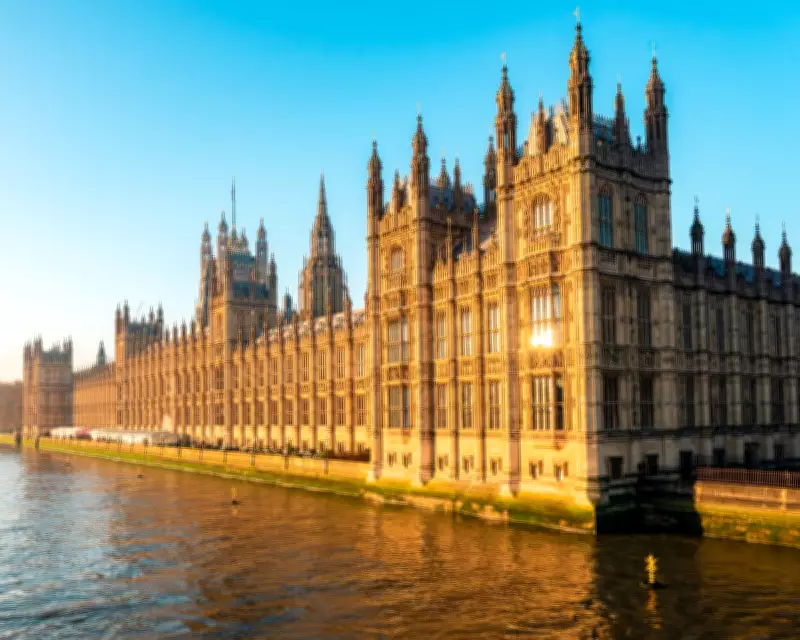
Westminster Palace Restoration Could Cost £40bn and Take Six Decades
A newly published report has revealed that the urgently needed restoration of the Palace of Westminster could require an eye-watering £40 billion and take up to 61 years to complete. The findings come from the Restoration and Renewal Client Board, established to investigate how to handle the critical repairs to the mainly Victorian parliamentary building.
Two Main Options Presented to Parliamentarians
MPs and peers must now choose between two newly drawn-up plans, rather than the four previously considered. The first option involves a full decant, where both the House of Commons and the House of Lords would relocate to the Northern Estate and the QEII Conference Centre from 2032. This approach is estimated to last 19 to 24 years and cost up to £15.6 billion.
The second, more complex option is a staged decant. This would vacate the House of Lords for 8 to 13 years, while the Commons would temporarily move to the Lords Chamber for up to two years. However, this method could extend the project to 38 to 61 years with costs potentially reaching £39.2 billion.

Immediate £3bn Works Proposed
Parliamentarians are also being asked to approve initial restoration works valued at £3 billion. These would include refurbishing the interior of the Victoria Tower, constructing a Thames jetty for river deliveries, and commencing underground tunnel shafts. If approved, these works could begin in 2026 and last for seven years. The board intends to request a decision on the final two options by mid-2030.
Critical Condition of the Historic Building
The report underscores the critical state of the Palace of Westminster, a UNESCO World Heritage site. Maintenance and repairs currently cost £1.5 million every week, with maintenance jobs increasing by 70% between 2021 and 2024. The building faces numerous hazards, including ancient wiring, widespread asbestos, and unsafe masonry, which could lead to a catastrophic incident.
Specific issues highlighted include frequent heating failures in the House of Lords, problems with the sewerage system, and toilet closures due to the presence of reinforced autoclaved aerated concrete (RAAC). Since 2016, there have been 36 fire incidents, 12 asbestos incidents, and 19 stonemasonry incidents on the estate.
Accountability and Governance Concerns
Despite the pressing need for repairs, there is significant division among MPs, peers, and senior parliamentary officials regarding the best approach. Critics have raised serious concerns about the project's lack of accountability and unclear governance.
Jesse Norman, the shadow speaker of the house and a member of the House of Commons Commission, warned that key decisions are being made behind closed doors with no individual or body held responsible for a budget he described as more appropriate to HS2 than to parliament.
In a letter to the board in December, Norman criticised proposals for a new three-board structure to oversee the project, suggesting it could increase bureaucracy, delay, dispersion of responsibility, and confusion. He emphasised that the costed proposals report asks parliamentarians to approve enormous expenditures on a project with limited scrutiny and low confidence in effective project or cost management.
The restoration of the Palace of Westminster remains one of the most challenging and expensive infrastructure projects in UK history, balancing the preservation of a historic landmark with the practical needs of modern governance.