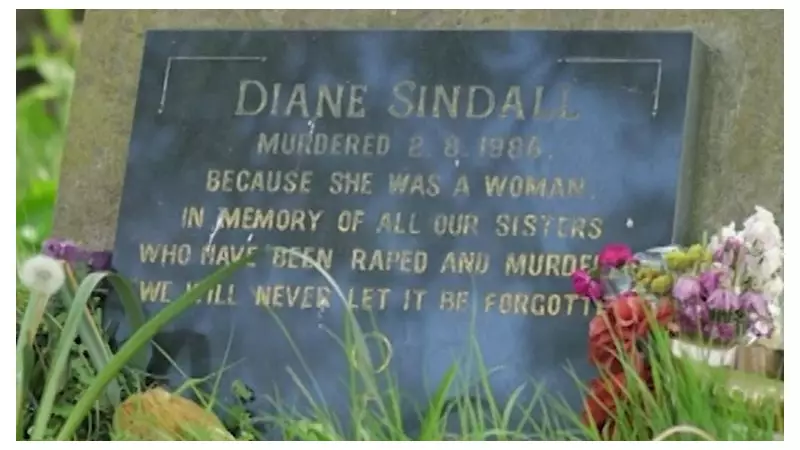
In a significant development in one of Merseyside's most haunting unsolved murders, police have announced a £20,000 reward for information leading to the conviction of the killer of Diane Sindall, nearly four decades after her death. The 21-year-old florist was brutally raped and murdered in 1986 by an assailant dubbed the 'Beast of Birkenhead', a case that has remained open despite a previous conviction now overturned as the longest miscarriage of justice in UK history.
A Tragic Night and a Decades-Long Mystery
Diane Sindall's life was cut short on her journey home after working a late shift at a pub, a part-time job she had taken to save money for her upcoming wedding. When her blue Fiat minivan ran out of petrol, she began walking, only to be attacked, raped, and savagely beaten to death. Her body was discovered in an alleyway the following day, sparking a murder investigation that would span generations.
The Wrongful Conviction of Peter Sullivan
For years, Merseyside Police believed they had solved the case with the conviction of local man Peter Sullivan, then aged 30. Despite maintaining his innocence throughout, Sullivan served 38 years in prison before new DNA testing in 2025 revealed his DNA was not present in semen samples from the crime scene. His release marked a pivotal moment, as it overturned what is now recognised as the longest miscarriage of justice ever recorded in the United Kingdom.

New DNA Evidence Sparks Renewed Investigation
With advancements in forensic science, investigators have now identified a male DNA profile from the original 1986 sample, reigniting hopes of a breakthrough. Detective Superintendent Rachel Wilson of Merseyside Police has described this profile as the 'key line of inquiry', emphasising the critical need to identify its source. The force, in collaboration with Crimestoppers, is offering the substantial £20,000 reward to encourage anyone with information to come forward, aiming to finally bring the perpetrator to justice.
Challenges and Optimism in a Cold Case
After nearly 40 years, police acknowledge that Diane Sindall's killer may no longer be alive, yet they remain optimistic about the potential for identification. This renewed effort not only seeks to solve a brutal crime but also to provide long-awaited closure for Diane's family, who have endured decades of uncertainty and pain. The case underscores the evolving role of DNA technology in revisiting historical crimes and correcting past injustices.
As the investigation continues, Merseyside Police urge the public to reflect on any details, no matter how small, that could assist in identifying the individual behind this DNA profile. The £20,000 reward signifies a committed push to resolve a case that has left an indelible mark on the community, highlighting the enduring pursuit of truth and justice in the face of time.