
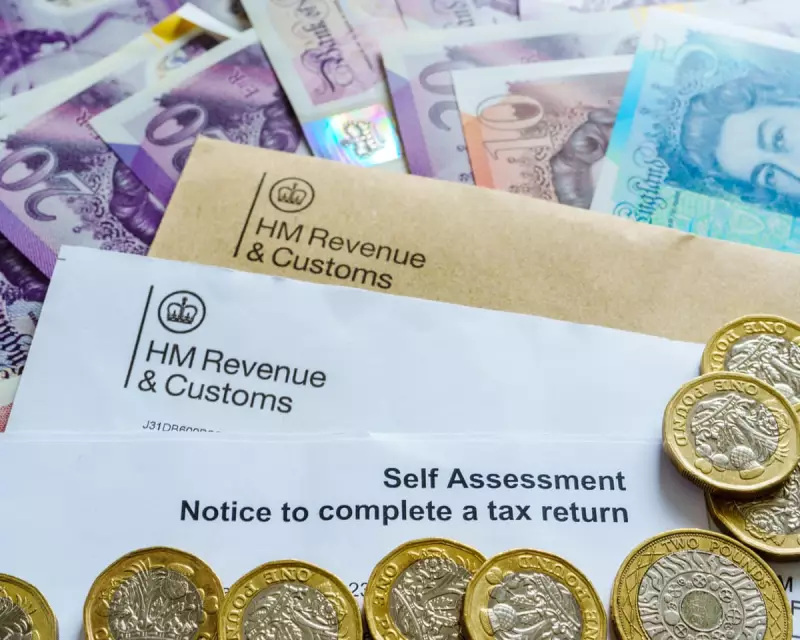
Chancellor Rachel Reeves's decision to extend the income tax threshold freeze for three additional years will disproportionately harm low-to-middle income households, according to leading economic thinktanks.
Manifesto Pledge Backfires on Working People
The Resolution Foundation has revealed that millions of workers earning below £35,000 would have been better off if the government had increased income tax rates instead of freezing thresholds. Chief executive Ruth Curtice stated that sticking to Labour's manifesto tax pledge has ultimately cost working people.
"Ironically, sticking to her manifesto tax pledge has cost millions of low-to-middle earners," Curtice explained. "The chancellor chose to freeze personal tax thresholds for three more years rather than raising income tax rates, which would have generated more revenue from wealthier households."
The Numbers Behind the Tax Squeeze
The extended freeze, now lasting until 2031, is expected to drag more than 1.7 million workers into either paying income tax for the first time or being pushed into a higher tax band. While Reeves acknowledged the measure would hit "working people," she defended it as necessary to raise £12.4 billion by 2030-31.
Analysis shows that a simple 1p income tax rise would have raised equivalent revenue while being less costly for anyone with an income below £35,000. The Resolution Foundation calculated that all but the top 10% of earners will be worse off under the threshold freeze approach compared to a rate increase.
Broader Economic Concerns Emerge
The National Institute of Economic and Social Research echoed these concerns, describing the budget as "lacking economic vision" and noting that the threshold freeze extension "will fall disproportionately on the bottom half of the income distribution."
Their budget review warned that the government's approach "locks in a high-tax, high-debt steady state in a world of low productivity growth and higher interest rates." Despite the Treasury increasing its financial buffer from £10bn to £22bn to calm markets, economists worry this leaves little room for growth-boosting measures.
Looking ahead, the Resolution Foundation projected significant spending cuts, with £6.4 billion in reductions planned for departments like the Home Office, justice, and local government by 2029-30. These cuts would represent 88% of the average annual reductions made during the austerity years following the 2010 election.




