
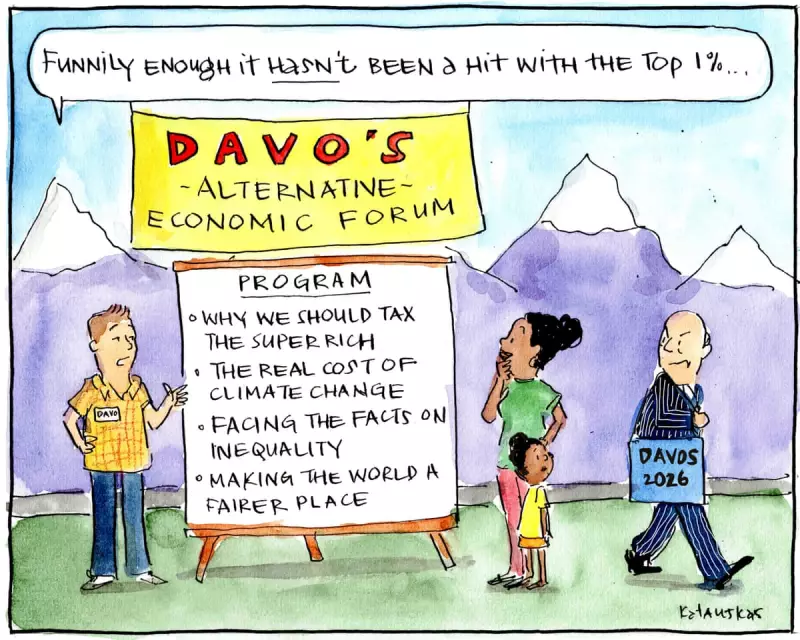
In today's rapidly evolving global landscape, traditional economic forums often face criticism for being exclusive, opaque gatherings dominated by elite interests. There is a growing movement to reimagine these platforms as more inclusive, transparent, and participatory spaces that truly serve the broader public good.
Challenges of Current Economic Forums
Many existing economic forums, such as the World Economic Forum in Davos, are perceived as inaccessible to the average citizen. They typically involve high-profile attendees from corporate, political, and academic spheres, with discussions that can seem detached from everyday societal concerns. This exclusivity can lead to policies and decisions that prioritise profit over people, exacerbating issues like inequality and environmental degradation.
Key Issues Identified
- Lack of Transparency: Closed-door meetings and confidential agendas limit public scrutiny and accountability.
- Elite Dominance: Overrepresentation of wealthy individuals and corporations skews discussions towards narrow interests.
- Limited Public Input: Ordinary citizens have little opportunity to contribute to or influence the outcomes of these forums.
Proposals for a More Inclusive Model
To address these shortcomings, advocates are proposing a new kind of economic forum that is open, democratic, and focused on holistic societal well-being. This model would emphasise collaboration between diverse stakeholders, including grassroots organisations, local communities, and marginalised groups.
Core Principles for Reform
- Enhanced Accessibility: Making forums physically and digitally accessible to a wider audience through live streams, public consultations, and affordable participation options.
- Transparent Agendas: Publishing detailed agendas and outcomes to ensure accountability and foster public trust.
- Diverse Representation: Actively including voices from various socioeconomic backgrounds, cultures, and sectors to enrich discussions.
- Focus on Societal Needs: Shifting the focus from purely economic metrics to broader issues like sustainability, equity, and community resilience.
Potential Benefits of an Inclusive Approach
By transforming economic forums into more participatory platforms, societies could reap significant benefits. These include more equitable policies, increased public trust in institutions, and innovative solutions to global challenges that reflect a wider range of perspectives.
For instance, forums that incorporate input from environmental activists, healthcare workers, and educators might develop strategies that better balance economic growth with social and ecological priorities. This could lead to initiatives that address climate change, improve public health, and reduce poverty in more effective ways.
Real-World Examples and Initiatives
Some emerging initiatives are already experimenting with inclusive models. Local community forums, online participatory budgeting platforms, and citizen assemblies on economic issues demonstrate how public engagement can enhance decision-making. These examples show that when people are given a voice, they can contribute valuable insights that might otherwise be overlooked in traditional settings.
Moving Forward: A Call to Action
The push for inclusive economic forums is not just about reforming existing structures but about creating new ones that embody democratic values. It requires commitment from policymakers, business leaders, and civil society to prioritise inclusivity and transparency.
As we look to the future, the goal is to build economic forums that we can all get behind – platforms that foster genuine dialogue, empower communities, and drive positive change for everyone. By embracing this vision, we can move towards a more just and sustainable global economy.




