The British public has been urged to take small but important steps to secure water, power supplies and basic phone signal in preparation for potential national crises, including severe weather emergencies, cyber-attacks and other disruptions. Downing Street announced a new public awareness campaign aimed at helping people cope with such events.
Government warns of rising threats
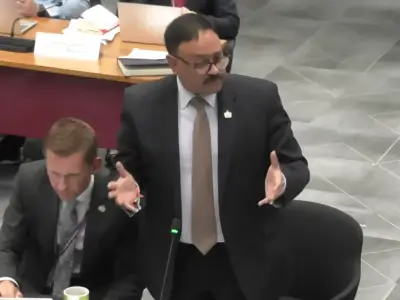
Darren Jones, the chief secretary to the prime minister, told MPs that the risks from climate change cannot be underestimated and warned of significant and prolonged disruption to essential services caused by extreme weather. He also highlighted that artificial intelligence, combined with conflicts in the Middle East and Russia's war in Ukraine, could enable hostile cyber-attacks against businesses and critical infrastructure.
Updated national risk register
The UK's national risk register has been updated with seven new crises, including foreign interference in UK democracy, cyber-attacks on data infrastructure, water infrastructure and police systems, and a digital resilience failure scenario based on the 2024 CrowdStrike global technology outage.

Ministers were warned in May that Britain's vital supply chains were unprepared for a major shock, such as a war with Russia, and that bold steps were needed to catch up with worst-case scenario planning by European states. Research by the National Preparedness Commission indicated Britain lagged behind other European countries in stockpiling critical medicines.
Climate and health impacts
Scientists cautioned that burning fossil fuels and intensive agriculture have intensified hot weather. Data suggested the June heatwave across England and Wales killed about 440 people per day during its three-day peak.
Jones stated: "Throughout our history, the UK has overcome challenges, from plagues and pandemics to war, and our fair share of wet weather. It is right that we consistently evaluate the risks we could face and plan for what may come." He added that this year saw record-breaking temperatures in May, exceeded again in June, and that AI offers new ways for criminals to carry out cyber-attacks.
National awareness campaign and defence exercise
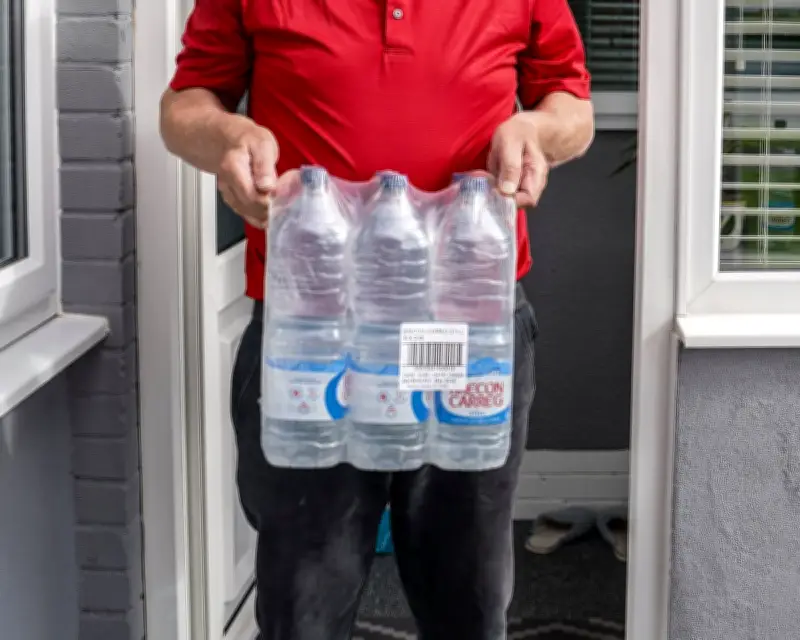
A national public awareness campaign will be launched to help people prepare for emergencies affecting access to power, water, phone signal or local shops. The UK's largest national home defence exercise is scheduled for 2027, involving hundreds of officials wargaming preparedness for hybrid attacks, ensuring alignment with Nato allies.
Armed forces minister Louise Sandher-Jones said: "Russia is not only a threat to Nato's eastern flank. It is a direct threat to the UK homeland and these exercises, together with important measures like updating our 'war books', will help prepare us to meet that threat, as well as showing the British public how seriously we are taking it."