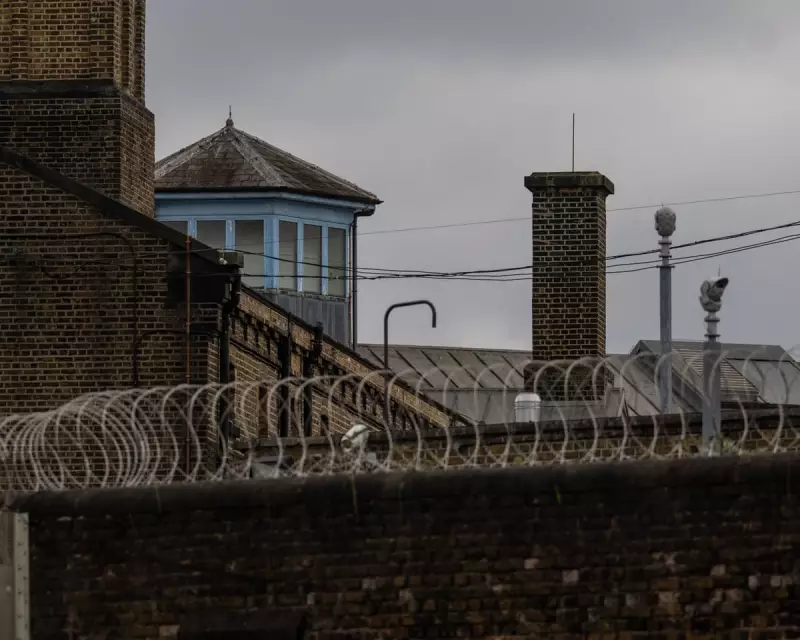
The Dire State of UK Prisons
A chorus of concern is rising over the woeful condition of the United Kingdom's prison system, highlighting a crisis exacerbated by years of funding cuts and neglect. The situation has been thrown into sharp relief by recent high-profile errors, including mistaken prisoner releases, pointing to a system buckling under immense pressure.
A System in Chaos: Overcrowding and Understaffing
Analysis of the chaotic circumstances behind recent prison release errors comes as no surprise to those familiar with the service. The core issues are overcrowding, understaffing, and antiquated IT systems. However, official inspection reports fail to capture the grim daily reality within these institutions.
Many prisoners are forced to live in unclean, rat-infested conditions that would be condemned in any other public building. While statistics on violence, drug use, and self-harm show some gradual improvement in places like HMP Wandsworth in London, they still depict profoundly unsafe environments for both inmates and staff.

The Human Toll on Prison Officers
The crisis extends beyond the inmates to the poor prison officers tasked with working in these dreadful institutions. If conditions are bad for those incarcerated, they are arguably worse for the staff. Recruiting new personnel to the Prison Service is incredibly difficult, and retention is nigh on impossible.
This leaves the service dependent on young, inexperienced, and demotivated staff who face poor morale and are regularly exposed to high levels of verbal and physical abuse. The role of a prison officer has been reduced to simply supervising the incarceration of prisoners in their cells for large portions of the day, leaving little room for the essential tasks of education and rehabilitation.
Drugs, Despair, and the Death of Rehabilitation
A disturbing element of the current crisis is the role of the drug trade. There is evidence that the drug crisis is temporarily suppressing bad behaviour, but it fuels a shadow economy controlled by organised crime groups and sometimes corrupt staff. This creates an instability that makes genuine rehabilitation impossible.
The superficial calm on some prison wings represents containment, not safety or progress. The goal of rehabilitating offenders is now at serious risk of becoming a pipedream. We cannot continue to warehouse people in Dickensian squalor with diminishing support and expect positive outcomes upon their release.
Rectifying this obscene situation will require enormous government investment at a time when public finances are stretched. However, transforming the physical, social, and rehabilitative aspects of our prisons is essential, if not for the inmates, then for the dedicated prison officers who have chosen a career few would consider.