The Trump administration has announced a plan to repeal Biden-era drinking water limits on four PFAS "forever chemicals" and to delay the implementation of standards for two other compounds. The Environmental Protection Agency is proposing two separate rules to delay and rescind the limits, a process that can take several years and will almost certainly face legal challenges.
Background on PFAS Limits
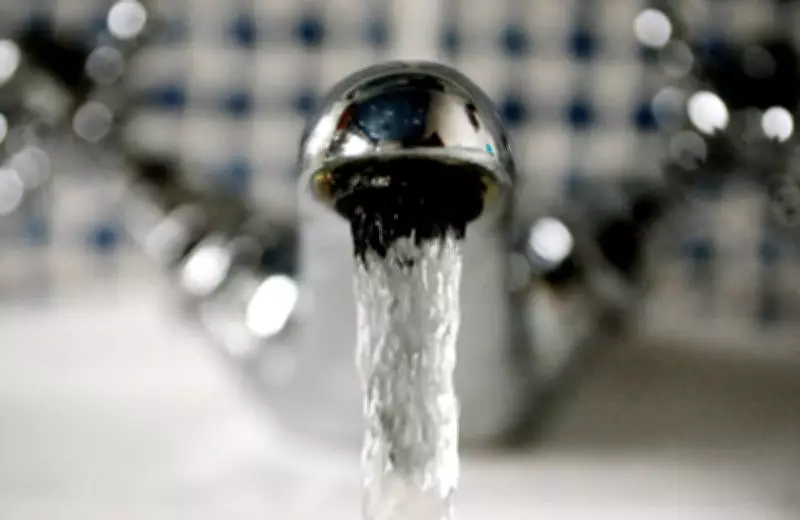
The plan comes just two years after the US Environmental Protection Agency set legally enforceable limits for six of the most dangerous PFAS compounds. These chemicals are linked to a range of cancers and other serious health problems. PFAS are ubiquitous in the environment and estimated to contaminate drinking water for more than 200 million people across the US.
Announcement and Reactions
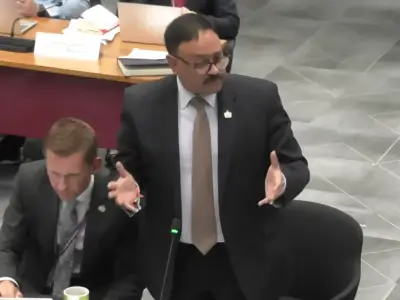
At a Monday press conference, EPA administrator Lee Zeldin and US health secretary Robert F Kennedy Jr announced the new plan. "The Trump EPA is committed to Make America Healthy Again by ensuring clean air, land, and water – and by taking on PFAS the right way," Zeldin said. Public health advocates condemned the move, with Dr Anna Reade of the Natural Resources Defense Council calling it "hocus pocus."

Details of the Proposed Rules
The Biden administration in 2024 set limits of 10 parts per trillion (ppt) for any combination of three PFAS compounds—PFNA, PFHxS, and HFPO dimer acid (GenX)—and a variable limit for combinations including PFBS. The Trump EPA proposes to rescind these limits, arguing that the Biden EPA did not follow correct legal processes and moved too quickly. The agency will "redo" the process to determine if limits should be set for the four chemicals.
For PFOA and PFOS, the Biden EPA set limits of 4 ppt each, with compliance extended to 2031. The Trump plan may further delay these standards.
Health Implications
PFAS are linked to cancer, birth defects, decreased immunity, high cholesterol, and kidney disease. EPA officials said the Biden-era limits would reduce exposure for 100 million people and prevent thousands of illnesses. Critics argue that repealing these limits puts public health at risk.