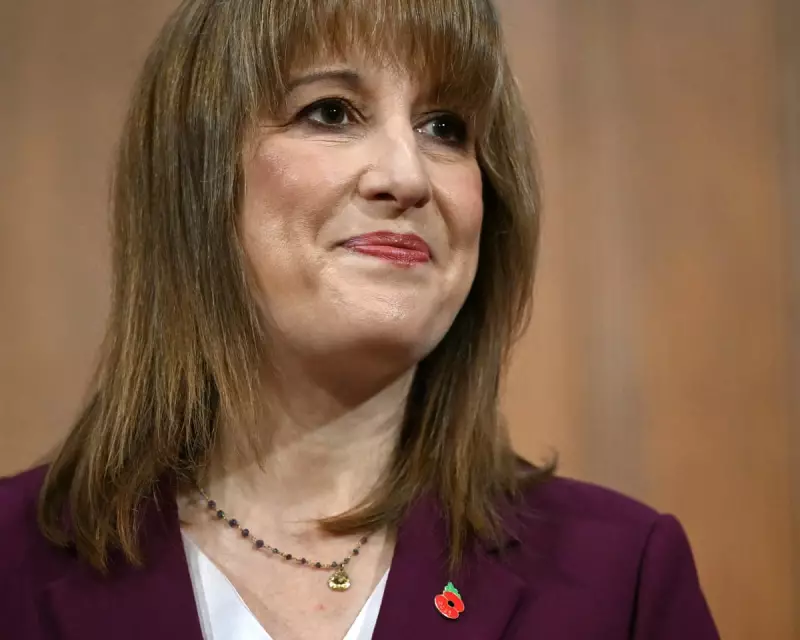
Chancellor Rachel Reeves has announced plans to completely remove the controversial two-child benefit cap in this month's budget, a move that could lift hundreds of thousands of children out of poverty while costing over £3 billion.
Ending Child Penalisation
In a significant policy shift, the chancellor revealed her intention to fully reverse the Conservative-era measure that restricts benefits for third and subsequent children. Reeves told BBC Radio 5 Live: "I don't think that it's right that a child is penalised because they are in a bigger family."
The chancellor emphasised that families face numerous circumstances beyond their control, including parents developing chronic illnesses, bereavement, adoption, and foster care arrangements. She argued that children shouldn't suffer because their families change shape and size over time.

Political Shift and Economic Impact
This announcement marks a substantial change from Labour's position during the last election, when the party declined to include removing the cap in its manifesto, citing concerns about "unfunded promises." The Resolution Foundation estimates that fully abolishing the cap would cost approximately £3.5 billion by 2029-30.
Prime Minister Keir Starmer has reportedly insisted that Labour must reduce child poverty before the next election. Allies confirm that Starmer is determined to surpass Tony Blair's achievements in reducing child poverty and wants to campaign on this success.
Broader Budget Context
Reeves made her comments after receiving pre-budget forecasts from the Office for Budget Responsibility and meeting with former Prime Minister Gordon Brown, a vocal advocate for removing the cap. The announcement comes as the chancellor faces difficult decisions about potentially breaking manifesto pledges on tax.
Education Secretary Bridget Phillipson, who led a task force on child poverty reduction, is expected to publish findings around the budget timing. Her research reportedly concludes that fully abolishing the cap is the most effective way to remove the maximum number of children from poverty.
Alison Garnham of the Child Poverty Action Group welcomed the move, stating: "The two-child limit is the biggest driver of rising child poverty in the UK and scrapping it in full is the right thing to do."
The chancellor now has just over two weeks to finalise her budget announcement, which is likely to include significant tax decisions alongside this welfare reform.