In the wake of the Bondi Junction terror attack, the New South Wales government is moving swiftly to introduce significant legislative changes, targeting both gun ownership and the right to protest. While the Minns government argues the measures are necessary for public safety, critics have labelled them a potentially dangerous overreach and a kneejerk reaction.
Gun Law Reforms: A Cap on Firearms
The proposed gun law reforms aim to drastically reduce the number of firearms in the community. Premier Chris Minns plans to cap ownership at four guns for recreational hunters and ten for professional shooters and farmers. This marks a significant shift, given there are currently an estimated 1.1 million registered firearms in NSW, owned by around 250,000 people.
The legislation also seeks to ban multi-shot firearms like lever-action rifles and impose stricter storage and licensing requirements, including mandatory licence renewals every two years. A $300 million buy-back scheme has been announced to facilitate the reduction. However, gun control advocates question whether a limit of four is sufficient, noting that 45% of licensed firearms are in urban areas, like those owned by the alleged Bondi attacker.

Controversial Protest Restrictions
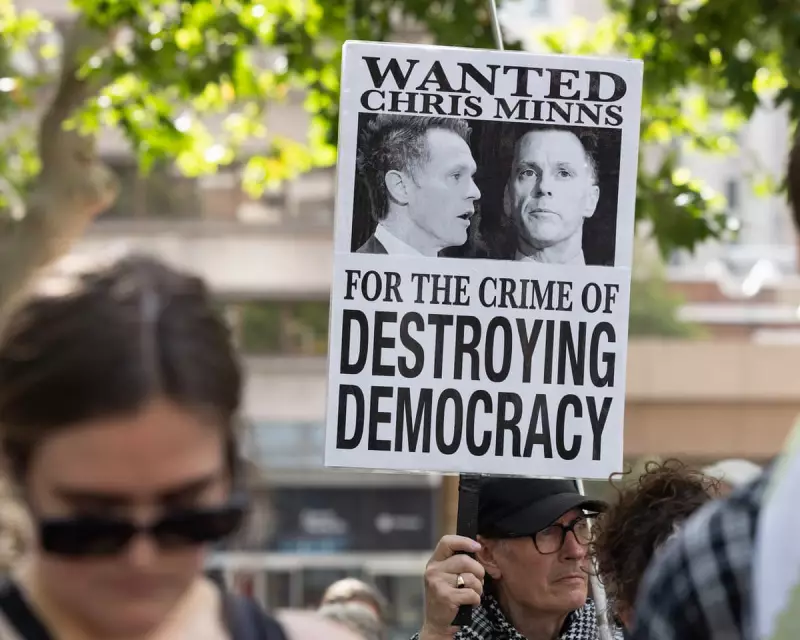
More contentious are the proposed changes to protest laws. The legislation would grant the NSW Police Commissioner, in consultation with the government, the power to ban protests for 14 days following a declared terrorist incident, with possible extensions up to three months. The law does not specify how closely linked a protest must be to the incident to warrant a ban.
The NSW Council for Civil Liberties has warned the law is likely unconstitutional, infringing on the implied right to political communication. The move has drawn fierce criticism from within the Labor party itself, with NSW South Coast Labor Council secretary Arthur Rorris condemning the suspension of democratic rights.
Risks of Rushed Legislation
Opponents argue that legislating in the emotional aftermath of a tragedy is fraught with risk. The government's previous rushed laws on protesting near places of worship were ultimately overturned by the courts. Furthermore, mandating gun club membership for all owners could, critics fear, create a powerful, NRA-style lobbying body in Australia.
While Premier Minns has stated his responsibility is to prevent any repeat of the Bondi violence, the debate continues over whether these sweeping measures are a proportionate response or an erosion of fundamental rights that plays into the hands of those who seek to undermine democratic freedoms.