In a landmark move for American families, New Mexico has officially become the first state in the US to roll out a universal, free childcare programme. This historic policy, which began on 1 November, means all families in the state, regardless of their income, can now access childcare without cost. The announcement, made by Governor Michelle Lujan Grisham, marks the culmination of a decade-long campaign spearheaded by a powerful coalition of childcare workers, parents, and advocates.
The Grassroots Movement That Made It Happen
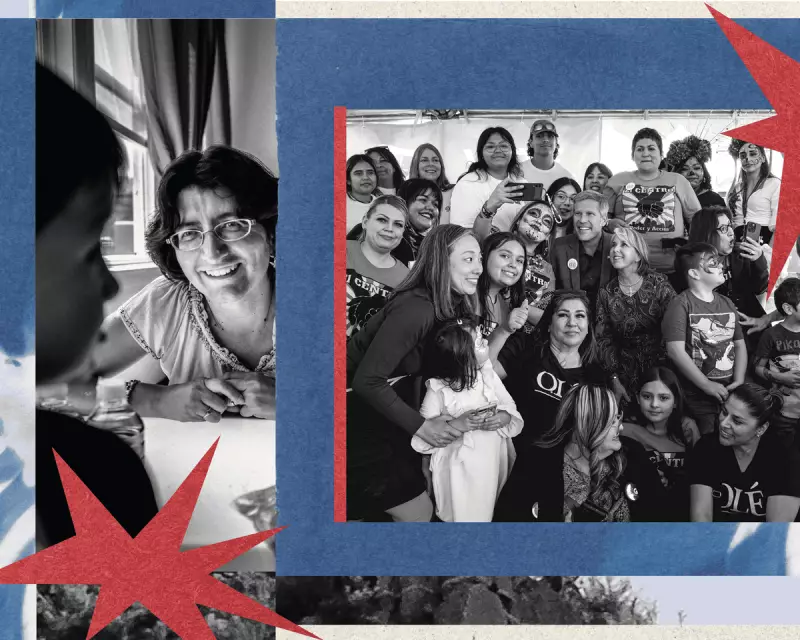
The journey to universal childcare began not in the halls of power, but on the streets. In 2018, Sandra Ibarra, an immigrant from Mexico working in childcare, attended her first protest. Shocked by the poverty-level wages in her new profession, she was hesitant but determined. A classmate introduced her to Olé, a grassroots non-profit organising working-class families. Ibarra soon became a fixture at weekly events, joining a growing network of mostly immigrant women working in early-years education.
"When you have one person or two people, no one listens to you. But when we have a lot that are united and working toward the same cause, that's when they say, 'Oh OK, what do you want?'" Ibarra explained in Spanish. Over seven years, she participated in dozens of marches, demanding wage increases and better benefits for a workforce she knew was critically undervalued.

Olé organised hundreds of childcare workers across New Mexico, building a sustained campaign that combined street protests with strategic political lobbying. Their efforts, alongside those of parents and children who participated in events like the annual 1,000 Kids March, slowly built the political will necessary for transformative change.
Funding the Future: A Constitutional Amendment
The financial engine for this ambitious programme is New Mexico's $65 billion Land Grant Permanent Fund. The idea to tap into this vast resource, composed of oil and gas revenues from state lands, was conceived in 2008. Advocates from New Mexico Voices for Children, inspired by a similar scheme in Nebraska, realised this was the most viable path to secure stable, long-term funding.
However, accessing the fund for early childhood education required amending the state's constitution—a monumental political task. For a decade, bills proposing the amendment passed the state House repeatedly but were blocked by a coalition of fiscal conservatives in the Senate. The breakthrough came after the 2020 elections, when a new wave of progressive Democrats, including many working mothers and former teachers, were elected.
In 2021, the amendment finally passed both legislative chambers. It then went to the voters in November 2022, where it passed in a landslide with 70.3% of the vote. After a final hurdle requiring approval from the US Congress, President Joe Biden signed it into law on 23 December 2022.
The Road Ahead and National Implications
The rollout is already underway. To qualify for state funding, childcare facilities must commit to paying entry-level staff a minimum of $18 per hour—a significant boost, though advocates argue it is still not a living wage for those with degrees.
The success of New Mexico's model is being watched closely across the United States, particularly at a time when federal support for early childhood education is under threat. Eric Griego, a New Mexico child welfare advocate, noted, "The NM early childhood model will likely be something more states may seriously consider as federal spending on social supports is increasingly in jeopardy."
For pioneers like Sandra Ibarra, now an assistant director at a childcare centre in Albuquerque, the fight is not over. She and other organisers continue to campaign for a fair pay scale to properly value qualified early-childhood educators. "We celebrated, but we knew that work would continue," Ibarra said, emphasising that the work was for the teachers, and above all, for the families they serve.
Buoyed by their success, advocates are already looking to the future, with some eyeing the same funding mechanism to pursue universal health insurance coverage for every state resident.