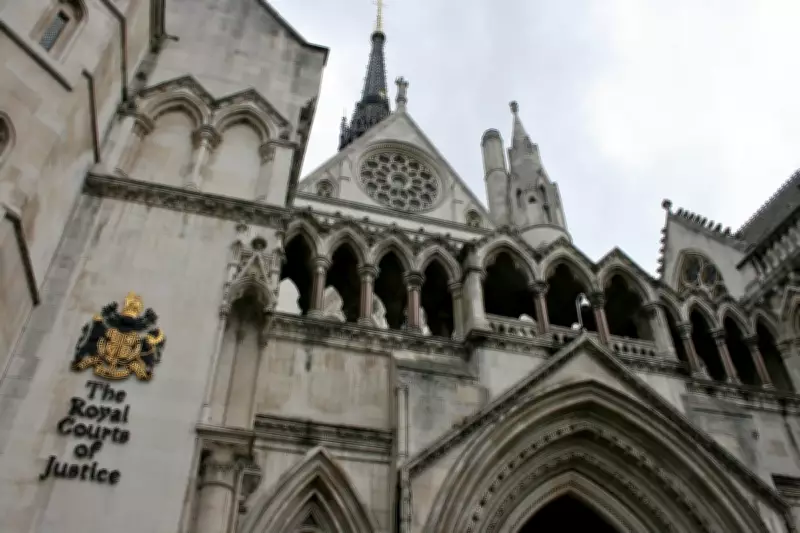
The King's Speech on Wednesday included controversial government plans to reduce the use of jury trials, as Prime Minister Keir Starmer pushes forward with a long-awaited overhaul of the UK's criminal justice system. The Courts Modernisation Bill, which aims to address a massive backlog of trials and widespread delays, could become a new flashpoint between Downing Street and the parliamentary Labour Party amid heightened political tensions.
Key Provisions of the Bill
The bill is designed to deliver the services the British people expect, according to the speech, and to tackle the crisis in the courts. A major shift away from jury trials is intended to speed up and streamline legal processes. This includes removing the right for defendants to choose a Crown Court trial with a jury, instead giving courts the power to decide based on the severity and complexity of cases. The bill also creates a new 'Bench Division' within the Crown Court, allowing judges to oversee trials without a jury in complex cases such as financial crime, where deeper expertise is needed.
Efficiency vs. Public Confidence
In a review preceding the reforms, Judge Sir Brian Levinson found that jury trials now take twice as long as in 2000. He estimates that trials without a jury will reduce hearing time by at least 20 per cent. However, the proposals have faced fierce resistance from lawyers, academics, and politicians. Critics, including law lecturers Craig Smith and Dr Kim Langtree from the University of Salford, argue that the measures are likely to reignite significant constitutional and practical debate about the future of jury trials in England and Wales.

Smith and Langtree stated: "While the scale of the Crown Court backlog urgently needs attention, proposals to restrict jury trials raise important questions about efficiency, legitimacy, public confidence, and the long-term direction of criminal justice reform." They emphasized that jury trials are not just a procedural mechanism but a visible form of public participation in justice. At a time when confidence in public institutions is fragile, reducing community participation risks creating a perception that justice is becoming technocratic and detached from the public.
The controversy underscores the delicate balance between improving court efficiency and maintaining public trust in the legal system. The debate over the bill is expected to intensify as it progresses through Parliament.