The UK Covid-19 inquiry has concluded that Boris Johnson's government wasted approximately £10bn of public money on personal protective equipment (PPE) during the coronavirus pandemic due to flawed procurement processes. The inquiry chair, Heather Hallett, a former Court of Appeal judge, released a damning report on July 18, 2025, criticising the government's use of a 'VIP lane' that prioritised contracts for companies with political connections to the Conservative Party.
Massive Waste and Inadequate Stockpiles
Hallett's report found that the UK entered the pandemic with an inadequate stockpile of PPE and plans that had never been stress-tested. Of the approximately £14.9bn spent on PPE, nearly two-thirds—almost £10bn—was wasted. The report states that £4.2bn was paid on VIP lane contracts alone. The waste was widely reported within months as PPE piled up and began to be disposed of.
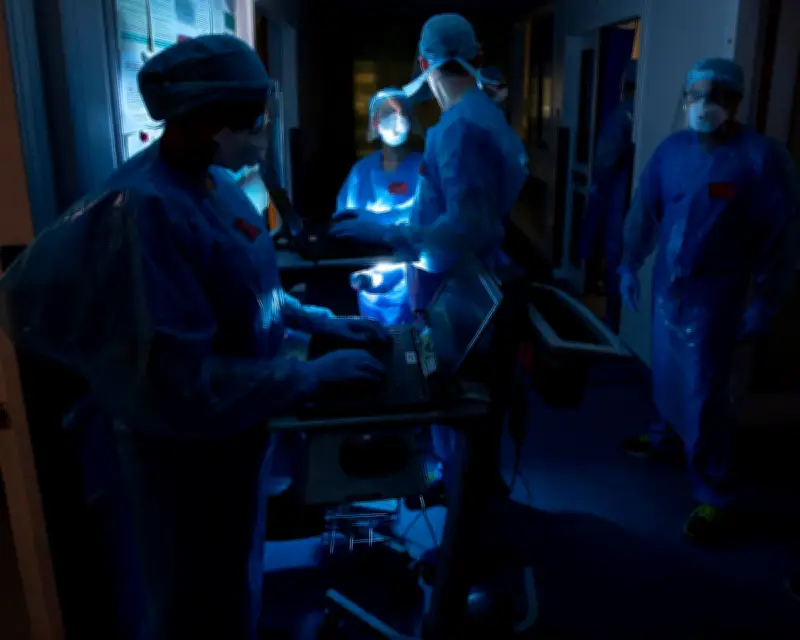
The inquiry heard that doctors, nurses, and care workers lacked adequate PPE and equipment such as ventilators, leaving them unable to protect themselves or those in their care from infection. Members of Covid-19 Bereaved Families for Justice (CBFFJ), representing about 7,000 bereaved people, told the inquiry they believed inadequate PPE was a factor in their relatives' deaths.

VIP Lane and Cronyism Concerns
The most high-profile VIP lane contract was with PPE Medpro, a newly formed company linked to former Conservative peer Michelle Mone. Mone first approached then-Cabinet Office minister Michael Gove in May 2020, leading to two contracts worth £203m. Hallett reached conclusions on PPE Medpro but withheld them due to an ongoing National Crime Agency investigation into the procurement. Her findings will be published only after any criminal proceedings conclude.
Hallett said the VIP lane was 'a misguided attempt to give priority to the most credible offers' that 'embedded unfairness' in procurement. She found that 'some suppliers received favourable treatment because they had connections to government, undermining public trust at a moment when it was needed most.' However, she concluded that the inquiry 'has not identified cronyism or corruption on the part of ministers and officials in final contracting decisions.'
Defences and Reactions
Matt Hancock, health secretary at the time, and other ministers defended the VIP lane, arguing it enabled prioritisation of credible offers. Theodore Agnew, a former Cabinet Office minister, told the inquiry it was 'bollocks' to suggest the VIP lane was 'some kind of plan by rightwing people trying to enrich themselves.' Boris Johnson, speaking on July 18, said he had not read the report but insisted the UK's pandemic response was 'outstanding,' particularly the vaccination programme.
A Downing Street spokesperson said the report 'makes for difficult reading' and that the government is committed to learning lessons, carefully considering the recommendations, and responding in due course.
Recommendations for the Future
Hallett made 11 recommendations to prevent a repeat of the failures, including investing in British advanced manufacturing, improving pandemic stockpile management, radically overhauling supply chains and emergency procurement systems, and improving transparency, governance, and accountability in emergency procurement. She concluded: 'A better prepared emergency procurement system will reduce the cost of obtaining essential supplies and save lives.'