
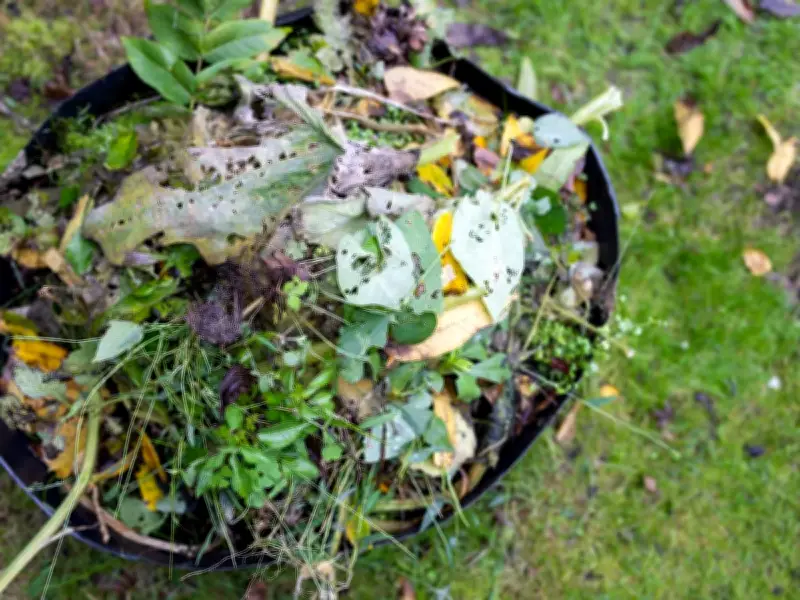
Hammersmith and Fulham Council has implemented a new policy to refuse collection of rubbish that contains garden waste, a move designed to reduce costs and increase recycling rates. The decision, approved this week by Cabinet Member for Environment, Arts and Culture Bora Kwon, follows a report highlighting that some residents are mixing garden waste with general household refuse, undermining the council's paid garden waste collection service.
Council's Multi-Pronged Approach to Enforcement
The council rolled out a garden waste collection service in 2024, charging £90 per year, to boost recycling and support environmental goals. However, a report published by the local authority notes that some residents are placing garden waste in general refuse bins, effectively disposing of it free of charge, which has frustrated those who subscribe to the service.
To address this, the council has adopted a multi-pronged approach. First, information will be sent to all street-based homes reminding residents of what can and cannot be recycled, including garden waste. From the implementation date this month, residents who continue to mix garden waste with refuse will initially receive a letter informing them that the two should not be combined. If the practice persists, the waste will not be collected, and either stickers or a bin hanger notice will be left explaining the reason.
Cost Savings and Environmental Benefits
According to the council's report, “Once the garden waste is removed from the refuse by the householder, the refuse will be collected. If the resident subscribes to the garden waste recycling service, both the refuse and garden waste will be collected.” The policy is driven by higher costs associated with disposing of garden waste mixed with refuse. The council estimates that waste sent for disposal as refuse costs around £100 more per tonne than garden waste sent for recycling. The difference is even greater when compared to home composting.
Council officers wrote, “Composting garden waste at home and recycling garden waste are both better for the environment than waste disposal. Preventing garden waste from being collected with refuse and sent for waste disposal will help us to become an even greener borough.” Hammersmith and Fulham already has low quantities of waste thrown away compared to other local authority areas, according to the report.
Implementation and Next Steps
The proposal was approved subject to a call-in period ending August 20. The council was approached for comment but did not respond before publication. The policy aims to ensure that garden waste is recycled or composted, reducing environmental impact and operational costs for the borough.




